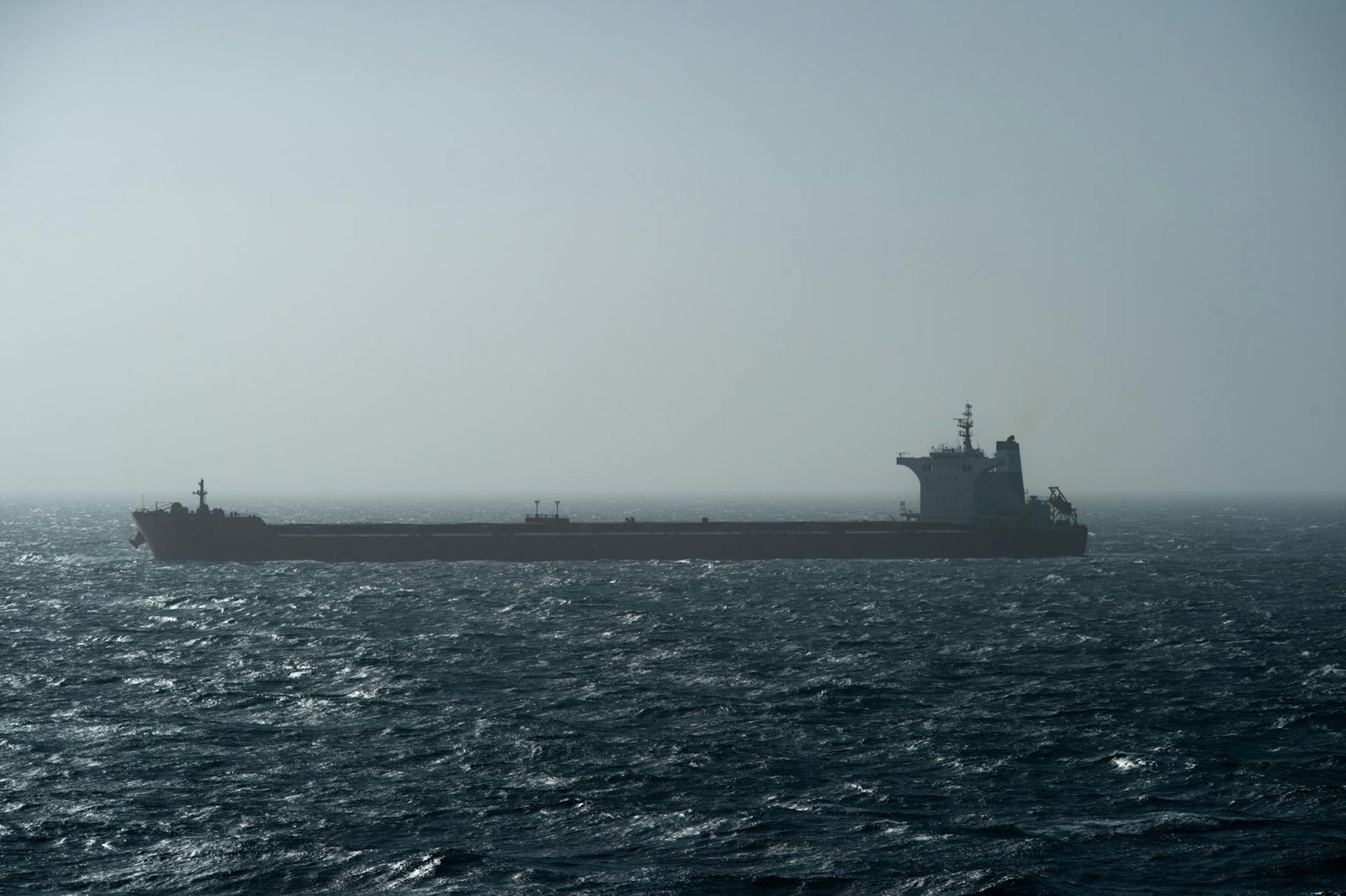
The geopolitical landscape is shifting as Iran tightens its grip on the Strait of Hormuz, a vital maritime passage for global oil trade. Reports are emerging that Tehran is now allowing transactions denominated in Chinese yuan for oil shipments, marking a significant departure from traditional dollar-based transactions.
The Strategic Shift
This move is not just a financial maneuver but a strategic play by Iran to mitigate the impact of U.S. sanctions and reduce its reliance on the U.S. dollar. The Strait of Hormuz, a narrow waterway between Iran and the Arabian Peninsula, is crucial for global energy security, with about 20% of the world’s oil passing through it daily.
Implications for Global Markets
The decision to accept yuan for oil payments has broader implications for global financial markets. It could accelerate the internationalization of the yuan, a goal long pursued by Beijing. For Iran, this shift provides a buffer against economic pressures and a means to maintain trade relations with countries willing to engage in yuan-denominated transactions.
U.S. Response and Geopolitical Tensions
The U.S. has not been silent on this development. President Donald Trump has warned that any attempt to disrupt the Strait of Hormuz could lead to severe consequences, including the potential obliteration of Iran’s power plants. However, the U.S. must tread carefully, as any military action could have far-reaching economic and political repercussions.
Market Reactions
Financial markets have responded cautiously to the news. Oil prices have fluctuated, reflecting the uncertainty surrounding the stability of the Strait of Hormuz. Analysts predict that the yuan’s role in global trade could expand, particularly in regions where political tensions with the U.S. are high.
Future Outlook
The shift to yuan for oil payments is a clear indication of the evolving dynamics in global trade and finance. As Iran and China strengthen their economic ties, the U.S. may find itself increasingly isolated in its efforts to sanction Iran. This development underscores the need for a more nuanced and strategic approach to international relations and economic policy.
In the long term, the internationalization of the yuan could challenge the dominance of the U.S. dollar in global trade. For now, the markets will continue to watch closely as the geopolitical chessboard shifts, with the Strait of Hormuz remaining a critical focal point.
About the Author