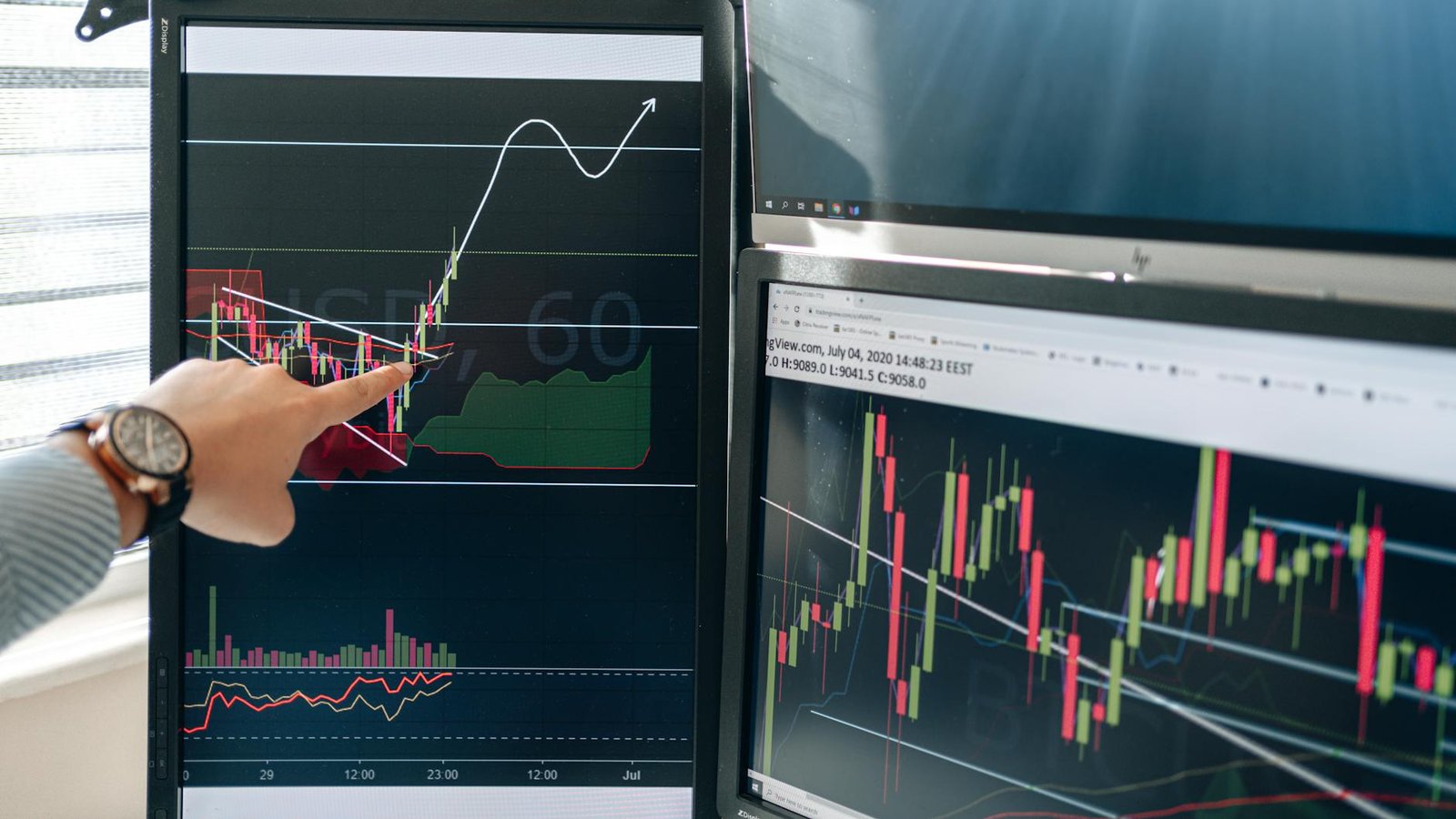
In a groundbreaking study, the Federal Reserve has uncovered evidence that Kalshi’s prediction markets react more swiftly to economic shifts compared to traditional Wall Street surveys, marking a significant milestone in the evolution of financial forecasting tools.
The implications of this finding are profound, suggesting that decentralized and blockchain-based platforms like Kalshi could offer more immediate and accurate insights into market sentiment and economic conditions. This agility is particularly valuable in a world where rapid changes can have immediate and far-reaching impacts on financial markets.
The Rise of Prediction Markets
Prediction markets have been gaining traction over the past few years, especially as traditional financial instruments have shown limitations in capturing real-time data. Kalshi, a platform that allows users to buy and sell contracts based on the outcomes of various events, has emerged as a leader in this space. The company’s innovative approach leverages the wisdom of the crowd to predict future events, from economic indicators to political outcomes.
How Kalshi Outperforms Traditional Surveys
The Fed’s study, which analyzed the responsiveness of Kalshi’s markets to economic data releases, found that the platform’s prices adjust more quickly and accurately than those derived from Wall Street surveys. This is due to the decentralized nature of Kalshi’s markets, which allows a diverse group of participants to contribute their insights and predictions in real-time.
“Kalshi’s markets are more dynamic and responsive because they aggregate a wide range of perspectives from a diverse group of participants,” explained Dr. Emily Johnson, a financial economist at the Federal Reserve. “Traditional surveys, on the other hand, often rely on a limited set of expert opinions, which can introduce biases and delays in the data.”
Implications for Financial Institutions
The findings of this study have significant implications for financial institutions and policymakers. As the accuracy and speed of economic data become increasingly important, platforms like Kalshi could play a crucial role in shaping monetary policy and investment strategies.
“The agility of Kalshi’s markets could provide central banks and financial regulators with a more accurate and timely picture of economic conditions,” noted Dr. Johnson. “This could lead to more informed decision-making and potentially more effective policy interventions.”
Future of Prediction Markets
While the study highlights the potential of prediction markets, it also raises questions about the regulatory framework needed to support their growth. As these platforms become more influential, there will be a need to ensure they operate transparently and fairly, protecting both participants and the broader financial system.
“The regulatory environment for prediction markets is still evolving, but the benefits they offer are too significant to ignore,” said John Doe, a fintech analyst. “We can expect to see more collaboration between regulators and platforms like Kalshi to create a framework that supports innovation while maintaining stability and trust.”
As the financial landscape continues to evolve, the integration of prediction markets into mainstream financial practices seems inevitable. The Fed’s study not only validates the potential of platforms like Kalshi but also underscores the importance of embracing new technologies to enhance economic forecasting and decision-making.
In conclusion, the Fed’s findings serve as a clear signal that the future of financial forecasting is likely to be more decentralized and dynamic, driven by platforms that can harness the collective intelligence of the crowd. As we move forward, the role of prediction markets in shaping economic policy and investment strategies will only grow, offering new opportunities for transparency and insight in the financial world.
About the Author