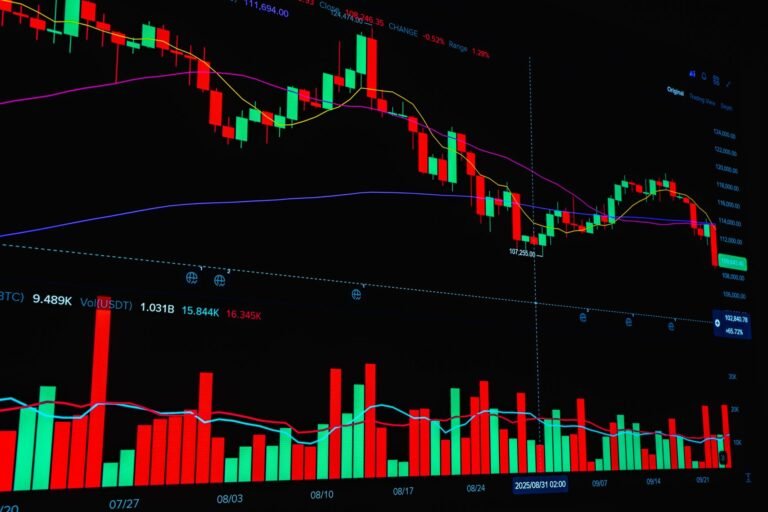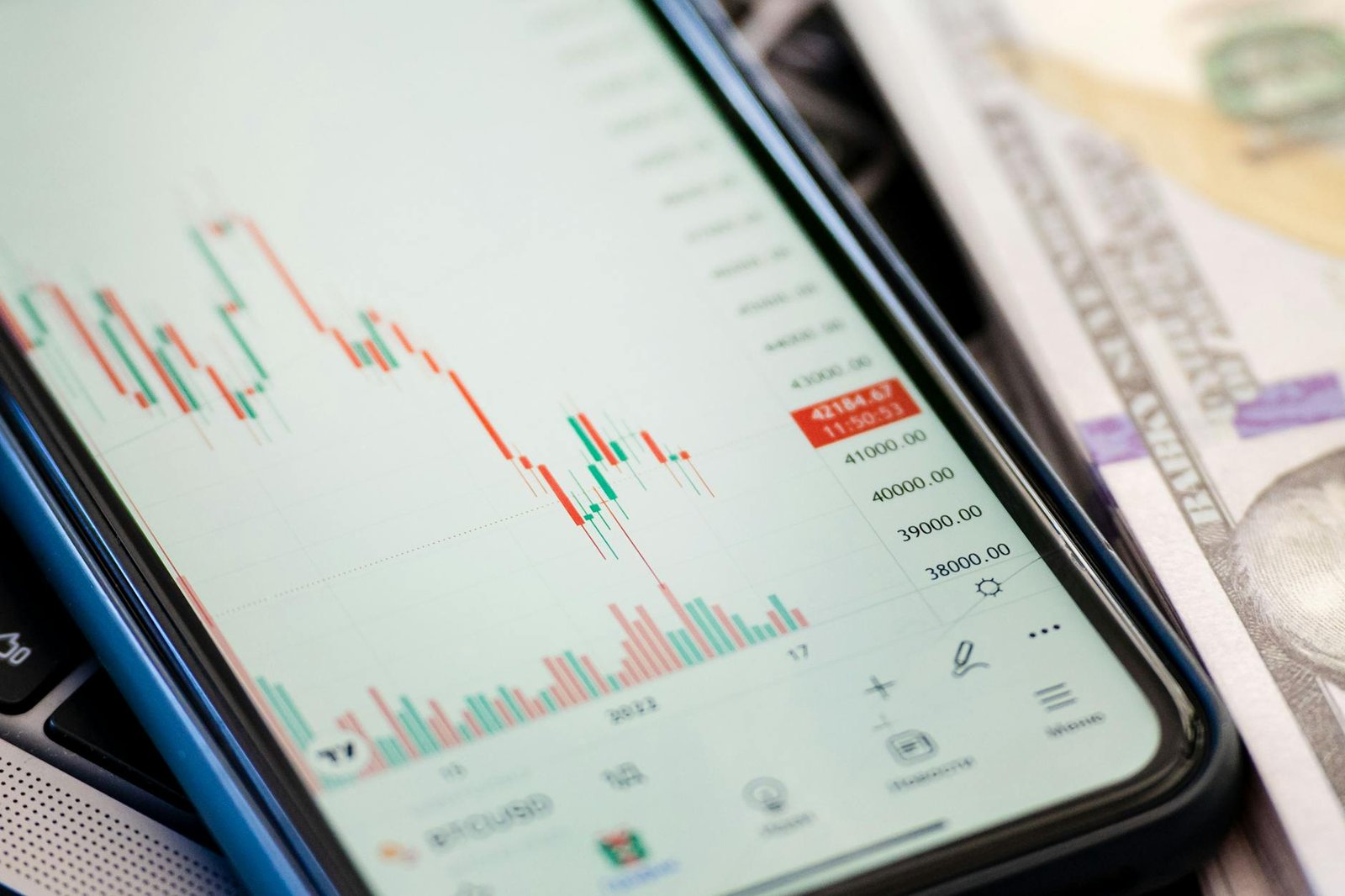
Global financial markets took a nosedive on Monday as President Donald Trump’s announcement of a new 15% global tariff and escalating concerns over artificial intelligence (AI) disruption sent shockwaves through the investment community. The Dow Jones Industrial Average plummeted 735 points, reflecting a broad sell-off in both stocks and cryptocurrencies, while safe-haven assets like gold and silver saw a surge in demand.
The Impact of Tariffs and AI on Market Dynamics
The introduction of new tariffs has reignited fears of a global trade war, which could disrupt supply chains and lead to higher costs for businesses and consumers. This economic uncertainty is compounded by the rapid advancement of AI technologies, which are reshaping industries and raising questions about job displacement and market competition. The tech-heavy NASDAQ index, in particular, suffered significant losses as investors reassessed the valuations of AI-driven companies.
Crypto Markets Feel the Heat
The cryptocurrency market, already volatile, was hit particularly hard. Bitcoin, the largest cryptocurrency by market cap, saw its value drop sharply, while other altcoins followed suit. The decline in crypto prices is not just a reflection of broader market sentiment but also a response to regulatory scrutiny and the potential impact of AI on decentralized finance (DeFi) platforms.
Seeking Safe Havens
As uncertainty looms, investors are turning to traditional safe-haven assets. Gold and silver, which have historically been seen as stores of value during times of economic turmoil, saw their prices rise. This trend is likely to continue if the trade tensions and AI disruption persist, as investors look for ways to protect their portfolios from further volatility.
Expert Analysis and Forward-Looking Insights
Financial analysts and market experts are closely monitoring the situation, with many predicting that the market turmoil could extend into the coming weeks. The combination of trade tensions and AI disruption is creating a complex landscape that requires careful navigation. Some experts suggest that the current market downturn could present opportunities for long-term investors who are willing to take on the risk.
However, the longer-term impact of these developments on the global economy remains to be seen. The introduction of tariffs and the rapid evolution of AI technologies are likely to have far-reaching consequences, influencing everything from consumer behavior to corporate strategies. As the market continues to digest these changes, it will be crucial for investors to stay informed and adaptable.
Conclusion
The sharp decline in U.S. markets on Monday highlights the delicate balance between economic policies and technological advancements. While the immediate impact of tariffs and AI disruption is causing significant volatility, the long-term effects will shape the future of global finance. Investors and policymakers alike will need to navigate this complex landscape with caution and foresight to mitigate the potential risks and capitalize on emerging opportunities.
About the Author