Nasdaq has secured a groundbreaking victory with the SEC’s approval to trade tokenized stocks and ETFs natively on its platform, marking a significant step forward in the integration of blockchain technology into traditional financial markets.
What Does This Mean for Investors?
The approval means that tokenized versions of traditional securities will now be tradeable on Nasdaq, offering several advantages over their conventional counterparts. These tokenized assets will provide the same rights as traditional stocks and ETFs, but with enhanced features such as faster settlement times and the potential for 24/7 trading. This move is expected to increase liquidity and reduce friction in the market, making it more accessible and efficient for both retail and institutional investors.
The Technology Behind Tokenized Securities
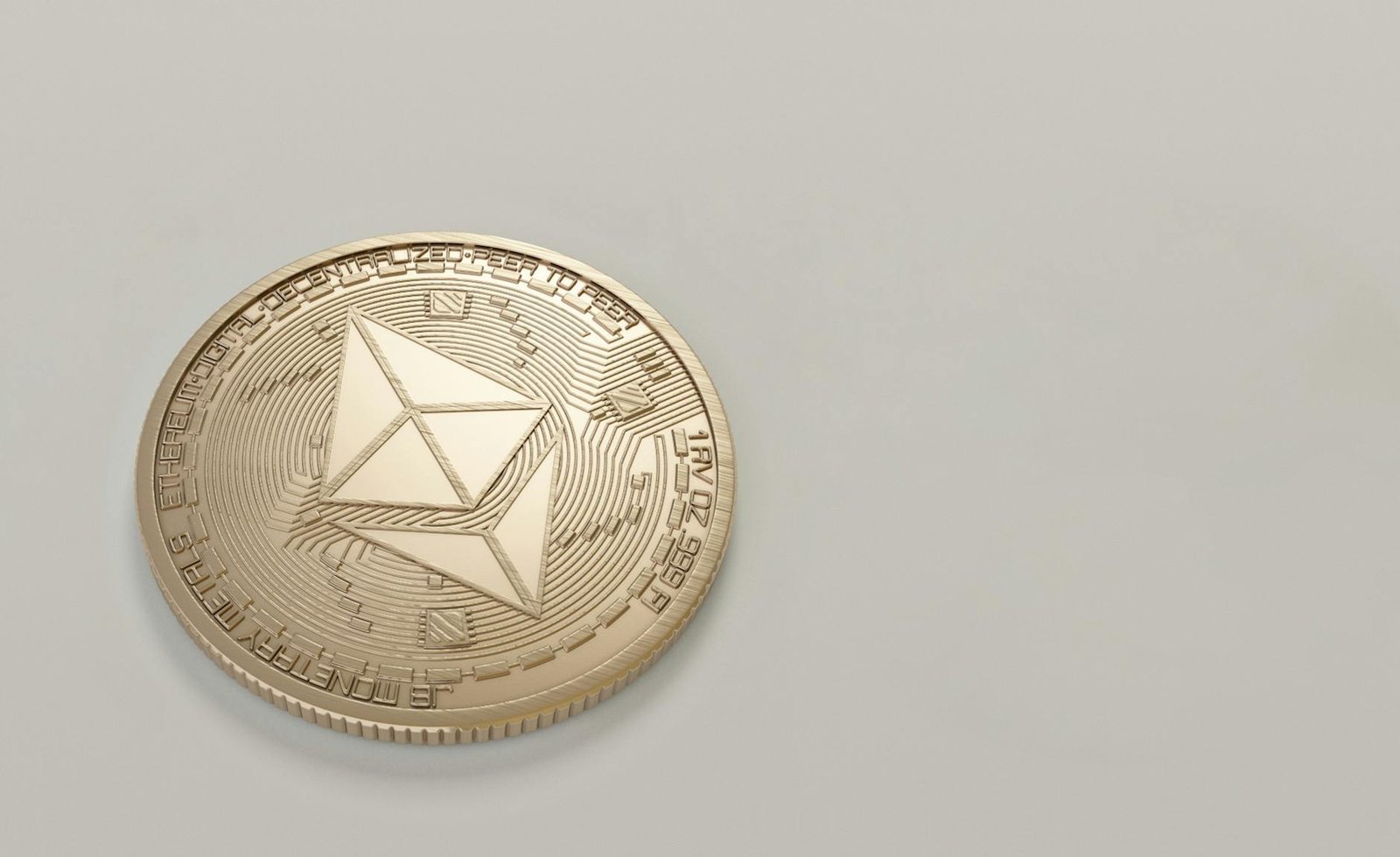
Tokenization involves converting the ownership of a real-world asset, such as a share of stock or a unit of an ETF, into a digital token on a blockchain. This process leverages smart contracts to automate and enforce the rules governing the asset, ensuring transparency and security. Nasdaq’s implementation will likely utilize a well-established blockchain, such as Ethereum, to ensure robustness and interoperability.
Implications for the Financial Industry
The SEC’s approval of tokenized securities on Nasdaq is a pivotal moment for the financial industry. It signals a growing acceptance of blockchain technology and its potential to revolutionize how assets are traded and managed. For traditional financial institutions, this move opens up new opportunities to leverage blockchain for more efficient and secure transactions, potentially reducing costs and increasing operational efficiency.
Challenges and Opportunities
While the approval is a significant milestone, it also comes with challenges. Regulatory oversight, cybersecurity, and market acceptance are critical areas that will need to be addressed to ensure the success of tokenized securities. However, the potential benefits are substantial, including the ability to attract a new generation of tech-savvy investors and to create more inclusive financial markets.
Looking Ahead
The integration of tokenized securities on Nasdaq is just the beginning. As more financial institutions and regulators embrace blockchain technology, we can expect to see a broader range of tokenized assets, including real estate, art, and other alternative investments. This trend is likely to reshape the financial landscape, making it more dynamic, efficient, and accessible to a wider audience. Nasdaq’s pioneering move sets the stage for a new era of financial innovation, one where the lines between traditional and digital finance continue to blur.
About the Author