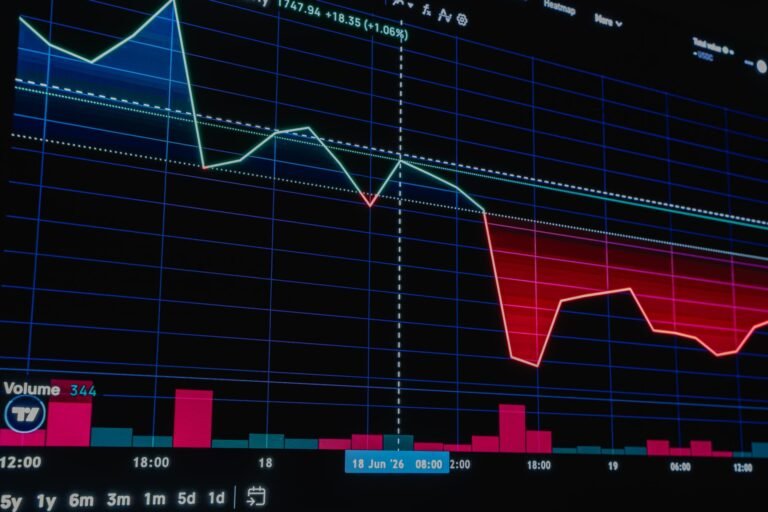
The Japanese stock market faced a day of unprecedented volatility on March 9, with the Nikkei 225 experiencing a dramatic intraday plunge of over 4,200 points. By the close of trading, the index had fallen 2,892.12 points, or 5.2%, marking the third-largest point drop in its history. This dramatic decline sent shockwaves through the financial community, raising concerns about the global economic outlook and the resilience of Asian markets.
The Market’s Freefall
The Nikkei 225’s dramatic freefall began early in the trading session, with investors reacting to a combination of domestic and international factors. Globally, concerns over the stability of the banking sector, particularly in the United States and Europe, have been mounting. Locally, economic data and corporate earnings reports have been mixed, adding to the market’s uncertainty. The index’s sharp decline reflects a broader risk-off sentiment among investors, who are increasingly cautious about the global economic landscape.
Causes and Context
The significant drop in the Nikkei 225 can be attributed to several key factors. First, the ongoing volatility in the global banking sector has heightened investor anxiety. Recent events, such as the collapse of Silicon Valley Bank and the rescue of Credit Suisse, have raised concerns about systemic risks in the financial system. Second, economic indicators from Japan have been mixed, with some reports suggesting a slowdown in consumer spending and industrial production. These factors have combined to create a perfect storm, leading to the sharp sell-off in the Nikkei 225.
Impact on the Japanese Economy
The impact of this significant market drop extends beyond the stock market itself. For the Japanese economy, which has been grappling with low growth and deflationary pressures, this event could have far-reaching consequences. A declining stock market can dampen consumer confidence and business investment, potentially slowing economic recovery. Moreover, the drop in the Nikkei 225 may lead to tighter financial conditions, as banks and other financial institutions become more risk-averse.
Global Reactions and Forward-Looking Insights
Global financial markets have closely watched the developments in Japan, with many investors and analysts drawing parallels to similar market corrections in other regions. The Nikkei 225’s performance is often seen as a bellwether for Asian markets, and its significant drop has raised concerns about the region’s economic resilience. However, some experts argue that the market’s reaction is overblown and that the Japanese economy has the fundamentals to recover. The Bank of Japan and other regulatory bodies are expected to monitor the situation closely and take appropriate measures to stabilize the market if necessary.
In conclusion, the Nikkei 225’s third-largest point drop in history is a stark reminder of the interconnectedness of global financial markets and the volatility that can arise from a combination of domestic and international factors. While the immediate impact is significant, the long-term resilience of the Japanese economy and the actions of regulatory bodies will play a crucial role in determining the market’s trajectory. Investors and policymakers alike will be closely watching for any further developments that could influence the market’s recovery.
About the Author