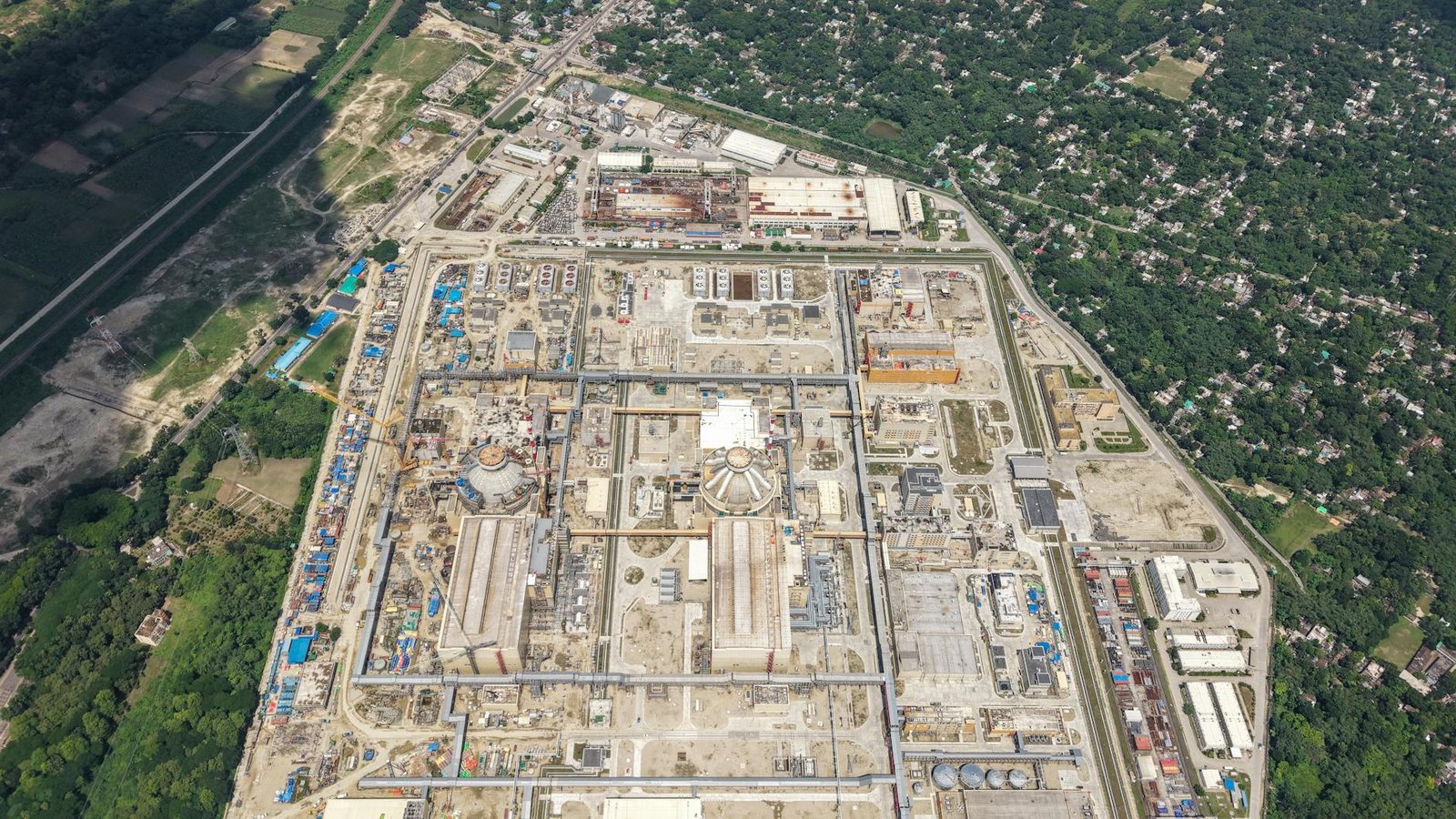
The United States is on the cusp of a nuclear renaissance, driven by the surging demand for reliable, large-scale electricity from artificial intelligence (AI) and data center expansion. Major utilities and power producers are increasingly linking the revival to long-term power contracts with tech giants such as Microsoft, Amazon, and Meta Platforms, according to the latest Miner Weekly newsletter from TheEnergyMag.
While the tech industry’s shift towards nuclear energy is a recent trend, Bitcoin miners were among the earliest adopters. Recognizing the potential of colocating high-performance computing with large baseload energy sources, miners have been experimenting with nuclear power for several years. One notable example is TeraWulf, which formed a joint venture with Talen Energy in 2021 to develop the Nautilus Cryptomine facility adjacent to the Susquehanna nuclear power plant in Pennsylvania.
The Growing Role of Nuclear Power in Bitcoin Mining
The relationship between Bitcoin mining and nuclear energy is not new. According to the Cambridge Centre for Alternative Finance, nuclear power has been a growing component of Bitcoin mining for several years. In 2021, nuclear energy accounted for about 4% of Bitcoin mining, rising to nearly 9% in 2022. Today, that share is approaching 10%, with sustainable energy sources, including nuclear, hydropower, and wind, now accounting for about 52.4% of Bitcoin mining’s electricity consumption.
Small Modular Reactors: The Future of Energy-Intensive Computing
A key development attracting attention from both the AI and crypto industries is the rise of small modular reactors (SMRs). These reactors are designed to be smaller and faster to deploy than traditional plants, making them ideal for colocating with energy-intensive infrastructure such as data centers. Companies like Google have already signed agreements to develop SMRs to power future computing facilities, a model that could eventually extend to large-scale Bitcoin mining operations.
Expert Analysis: The Broader Implications
The shift towards nuclear energy in the tech and crypto sectors is a strategic move to ensure long-term, stable, and carbon-free power supplies. For Bitcoin miners, this not only provides a competitive edge in an industry with high energy costs but also aligns with growing environmental concerns. The collaboration between tech giants and nuclear power providers is a sign of a broader trend towards sustainable and resilient infrastructure, which is crucial for the future of high-performance computing and data-intensive industries.
The nuclear renaissance in the United States is not just about meeting current demands but also about preparing for the future. As AI and data center expansion continue to grow, the need for reliable and sustainable energy sources will only increase. The early adoption by Bitcoin miners and the strategic moves by tech giants indicate a significant shift in the energy landscape, one that could redefine how we power the digital economy.
Looking Ahead
The intersection of nuclear power, AI, and cryptocurrency is a fascinating area of development. As the technology and infrastructure for small modular reactors advance, we can expect to see more innovative solutions that balance the need for high-performance computing with environmental sustainability. The future of energy-intensive industries may well be nuclear, and the tech and crypto sectors are leading the way.
About the Author