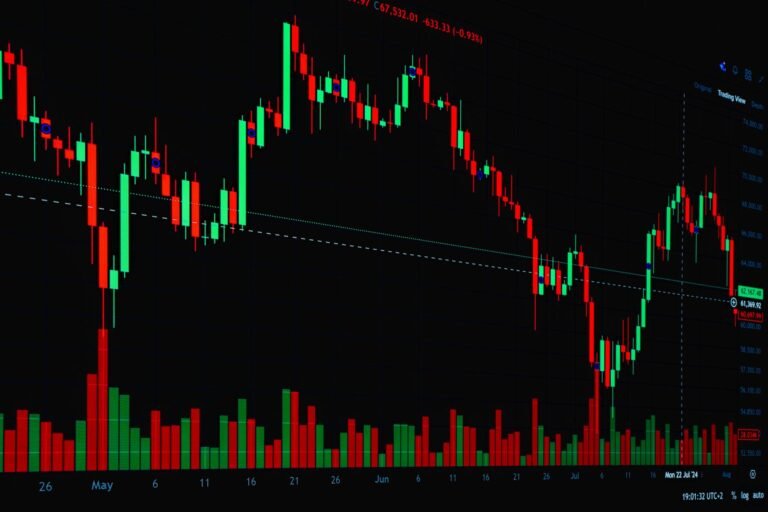
The U.S. equity markets took a sharp nosedive on Thursday, March 5, 2026, as tensions in the Middle East and a subsequent spike in oil prices triggered a wave of risk-off trading. The Dow Jones Industrial Average plummeted by approximately 948 points, or 1.95%, trading near 47,790, reflecting the market’s deep-seated concerns over geopolitical instability and its potential economic ramifications.
Escalating Tensions and Market Reactions
The dramatic drop in U.S. stocks was primarily driven by heightened tensions between the United States and Iran. Reports of increased military activity and diplomatic friction in the region have reignited fears of potential conflicts that could disrupt global oil supplies. This, in turn, has led to a significant rally in oil prices, with Brent crude and West Texas Intermediate (WTI) both surging by over 3%.
Impact on Major Benchmarks
The sell-off was widespread, with all major benchmarks feeling the brunt. The S&P 500 and the Nasdaq Composite also declined, with the S&P 500 falling by 2.1% and the Nasdaq Composite dropping by 2.3%. The energy sector, which had been a bright spot earlier this year, saw its gains evaporate as oil prices climbed.
Investor Sentiment and Economic Implications
Investors are now closely monitoring the situation, with many adopting a cautious stance. The rise in oil prices not only affects the energy sector but also has broader economic implications, including higher transportation costs and increased input costs for businesses. This could potentially lead to higher consumer prices and reduced corporate profits, further dampening market sentiment.
Strategic Moves and Future Outlook
Despite the immediate downturn, some analysts remain optimistic about the long-term resilience of the U.S. economy. They argue that while geopolitical tensions and oil price volatility can create short-term disruptions, the fundamental strength of the U.S. market and its ability to adapt and innovate will likely mitigate the impact over time.
In the short term, however, investors are likely to remain on edge, with a keen eye on developments in the Middle East and any further movements in oil prices. The Federal Reserve’s upcoming policy decisions will also be a critical factor, as any changes in interest rates could further influence market dynamics.
Conclusion
The sharp decline in U.S. equity markets on Thursday underscores the delicate balance between geopolitical events and economic stability. As tensions in the Middle East continue to simmer, investors will need to navigate a complex landscape of risks and opportunities. The ability to stay informed and adapt to rapidly changing conditions will be key to weathering the storm and capitalizing on potential rebounds in the market.
About the Author