As global tensions rise, Murban crude, a key benchmark for oil leaving the Middle East, has soared to over $103 per barrel. This significant increase in oil prices is not just a concern for traditional markets; it also has profound implications for the cryptocurrency sector, particularly for Bitcoin.
The Oil Crisis and Its Impact on Bitcoin
The surge in oil prices can be attributed to several factors, including geopolitical tensions, supply disruptions, and increased demand. For Bitcoin, the world’s leading cryptocurrency, this development could have both positive and negative consequences.
Positive Implications
One potential positive outcome is the increased interest in Bitcoin as a hedge against inflation. Historically, Bitcoin has been seen as a store of value, much like gold. As oil prices rise, inflationary pressures could push more investors towards Bitcoin as a means to protect their wealth.
Negative Implications
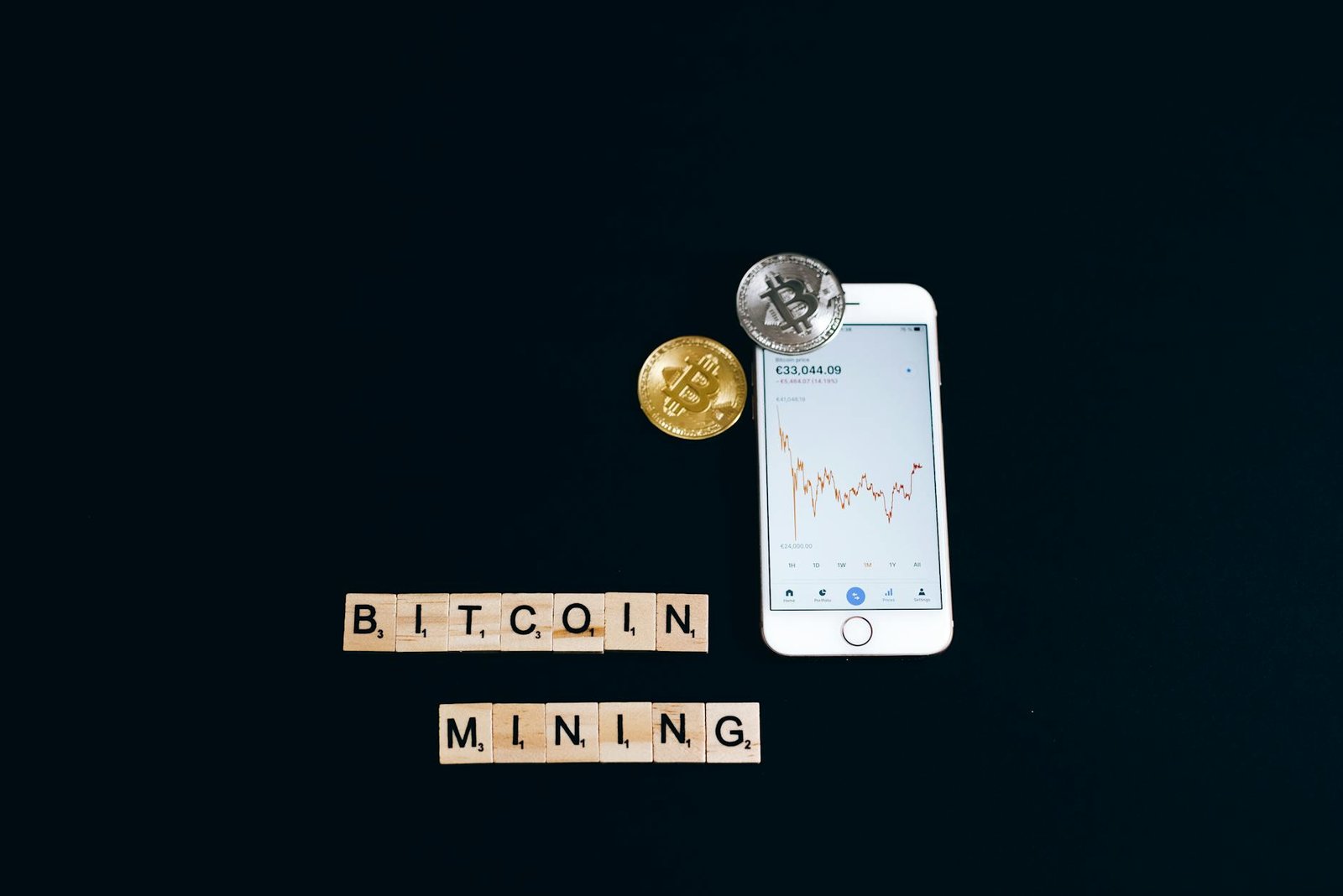
However, there are also risks. Higher oil prices can lead to increased energy costs, which could impact Bitcoin mining operations. Mining is an energy-intensive process, and any rise in energy prices can significantly affect the profitability of mining operations, potentially leading to a decrease in the hashrate and network security.
The Broader Crypto Market
Beyond Bitcoin, the broader crypto market is also feeling the ripple effects of rising oil prices. Tokenized real-world assets (RWAs), which have surged to over $25 billion on-chain, are particularly vulnerable. These assets, which include commodities and other traditional financial instruments, could see increased volatility as oil prices fluctuate.
Tokenized Assets and Institutional Adoption
While tokenized assets have seen significant growth, much of this growth reflects large, infrequent institutional allocations rather than active secondary trading. Only about 12% of the roughly $8.5 billion in RWA-backed stablecoins is deployed in decentralized finance (DeFi) protocols, indicating that most assets remain siloed behind compliance barriers.
Looking Forward
The intersection of rising oil prices and the crypto market highlights the interconnectedness of global financial systems. As oil prices continue to fluctuate, the crypto market will need to adapt. For Bitcoin, this may mean increased volatility in the short term, but it could also solidify its position as a digital store of value in the long run. The key will be how miners and investors navigate the changing energy landscape and regulatory environment.
In conclusion, while the surge in oil prices presents challenges, it also offers opportunities for the crypto market to demonstrate its resilience and innovation. As the world grapples with economic uncertainty, Bitcoin and other cryptocurrencies may play a crucial role in shaping the future of finance.
About the Author