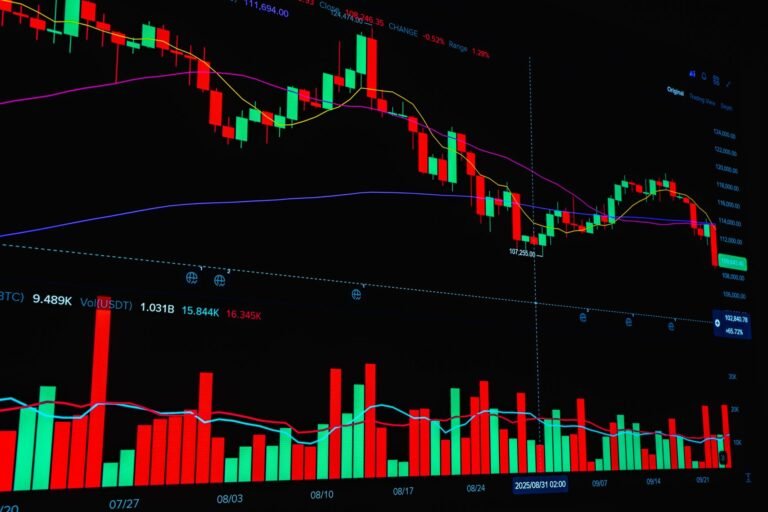
Billionaire investor Ray Dalio has issued a stern warning against Bitcoin, questioning its viability as a long-term store of value and a safe-haven asset. In a recent interview on the All-In Podcast, Dalio argued that while Bitcoin has gained traction, it lacks the critical support from central banks and faces significant challenges, particularly in privacy and quantum resistance.
Why Dalio Prefers Gold Over Bitcoin
Dalio emphasized that gold, not Bitcoin, is the ultimate safe-haven asset. ‘Gold is not a precious metal that’s speculated on; it is the most established money and the second-largest reserve currency held by central banks,’ Dalio stated. He questioned why central banks would opt for Bitcoin over gold, given the established role of gold in global financial systems.
Bitcoin’s Limitations and Concerns
While acknowledging Bitcoin’s hard money characteristics and its high correlation with tech stocks, Dalio raised several concerns. He pointed out that Bitcoin transactions are not as private as many believe, as they can be monitored. Additionally, the threat of quantum computing poses a significant risk to the security of the Bitcoin network.
Historical Context and Future Outlook
Dalio’s skepticism about Bitcoin is rooted in his broader view of the global economic landscape. Last month, he warned that the ‘World Order,’ dominated by the U.S. for decades, has ‘broken down.’ In this new environment, investors must rethink how they protect their wealth, especially amid rising geopolitical conflicts and economic uncertainties.
Investment Strategy Amid Economic Uncertainty
In July, Dalio recommended a 15% portfolio allocation into either Bitcoin or gold to optimize the ‘best return-to-risk ratio,’ particularly in light of America’s debt problem and ongoing currency debasement. However, his recent comments suggest a shift towards a more conservative stance, favoring gold’s historical reliability over Bitcoin’s volatility.
Conclusion
Dalio’s cautionary stance on Bitcoin reflects a broader trend of skepticism among traditional financial institutions. As the global financial landscape continues to evolve, the debate over the role of cryptocurrencies versus traditional assets like gold will likely intensify. Investors should carefully consider the long-term implications of their investment choices, especially in an era of increasing economic and geopolitical instability.
About the Author