The U.S. Securities and Exchange Commission (SEC) has approved a significant rule change proposed by Nasdaq, allowing the trading of tokenized securities. This move marks a crucial step toward integrating blockchain technology into the traditional financial infrastructure, potentially opening new avenues for institutional investment in digital assets.
A New Era for Digital Securities
The SEC’s approval, announced on Wednesday, permits Nasdaq to represent and trade certain securities, including stocks in the Russell 1000 Index and exchange-traded funds (ETFs) tracking major benchmarks like the S&P 500, in tokenized form. These digital tokens are fully interchangeable with their traditional counterparts, maintaining the same ticker symbols, CUSIP numbers, and shareholder rights.
Investor Protections and Market Stability
Investors holding tokenized securities will retain all standard protections, including voting rights, access to dividends, and claims on residual assets. This ensures that the transition to tokenized assets is seamless and consistent with existing securities laws. The system operates as a pilot program through the Depository Trust Company (DTC), which handles post-trade settlement and tokenization.
Partnerships and Platform Integration
Earlier this month, Nasdaq partnered with Payward, the parent company of Kraken, to enable the trading of tokenized stocks between traditional markets and blockchain networks using Payward’s xStocks platform. This collaboration underscores the growing synergy between traditional finance and blockchain technology.
Market Impact and Future Prospects
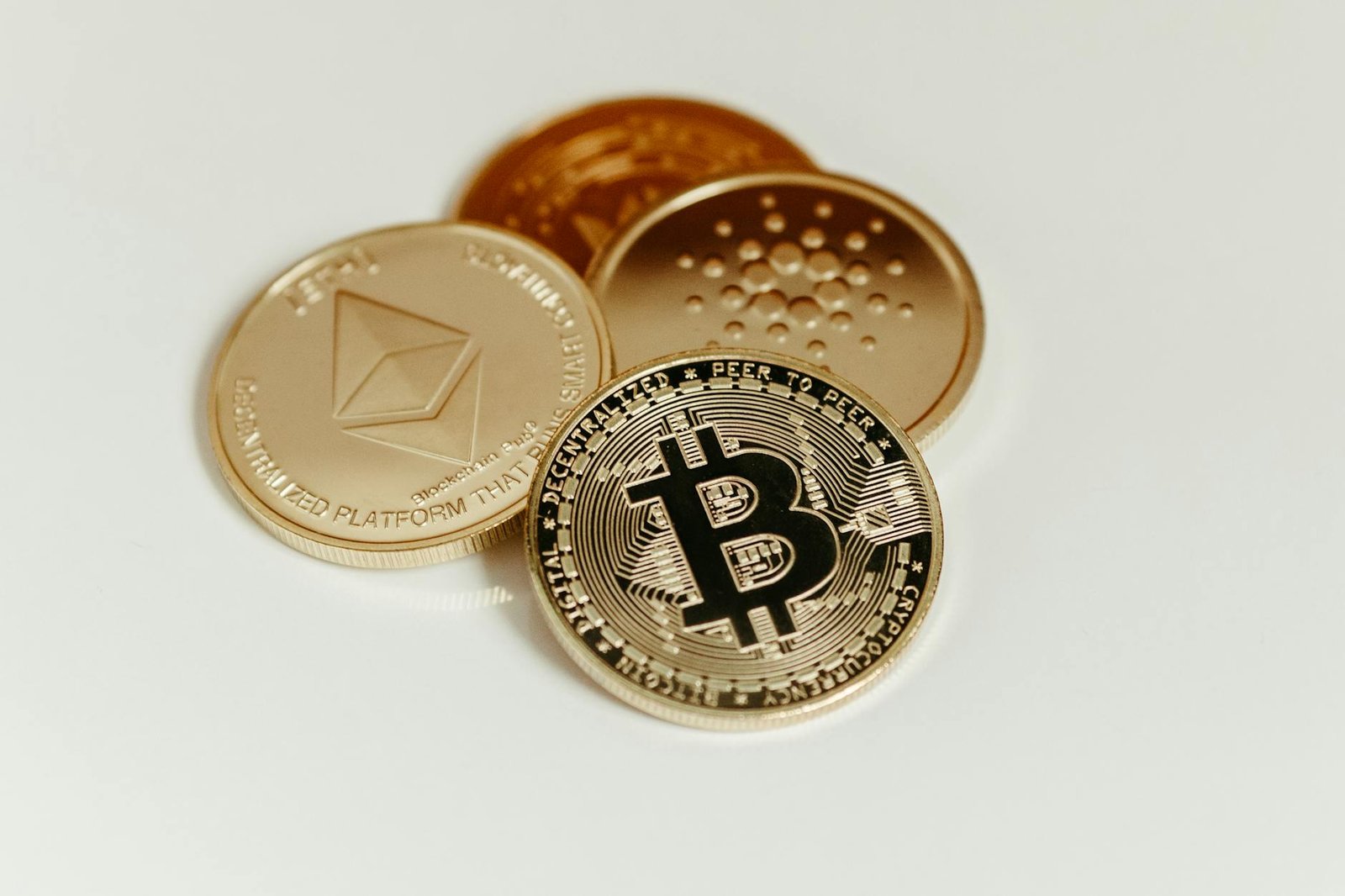
While this move won’t directly affect Bitcoin’s price or network, it represents a significant nod to the growing regulatory comfort with blockchain-based assets. By integrating tokenized securities into mainstream markets, it may pave the way for broader adoption of crypto infrastructure and financial products that interact with digital currencies.
Operational Details and Regulatory Oversight
Trades in tokenized form will default to traditional settlement if tokenization requirements are not met. Nasdaq confirmed that its core trading infrastructure remains unchanged, ensuring that tokenized securities are fully integrated into existing systems. Settlement continues on a T+1 basis, aligning tokenized trading with current standards.
The SEC, in its approval, emphasized that the proposal meets regulatory requirements designed to protect investors and maintain fair and orderly markets. Specifically, the Commission cited Section 6(b)(5) of the Securities Exchange Act, which requires exchange rules to prevent fraud, promote equitable trading principles, and remove impediments to a free and open market.
Conclusion and Forward-Looking Insight
The approval reflects a growing momentum toward tokenization in regulated markets. Exchanges and infrastructure providers are increasingly exploring blockchain representations of conventional assets while remaining within the bounds of existing law. Nasdaq has indicated that alternative tokenization methods are under discussion and would require separate filings with the SEC. This development is a clear signal that the future of finance is increasingly digital, with blockchain technology playing a central role in shaping the next generation of financial markets.
About the Author