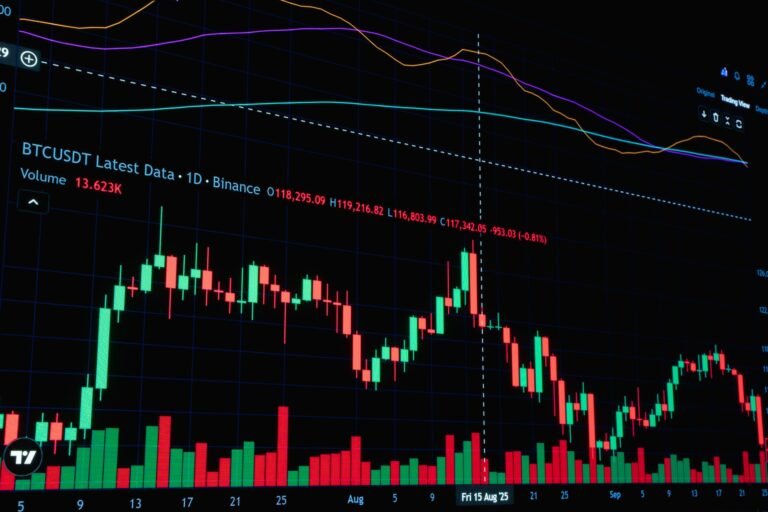
Strategy’s STRC keeps dividend payout steady at 11.5% after seven straight increases
The perpetual preferred yield holds at 11.5% for April as the 30-day volume weighted average price stabilizes near $100.
What to know:
- STRC has maintained its 11.5% dividend for April after seven consecutive increases since launch in July 2025.
- Strive’s SATA reached $100 par for the first time, enabling fresh ATM issuance to fund additional bitcoin purchases at a 12.7% yield.
Strategy, the world’s largest publicly traded Bitcoin holder, has held the 11.5% dividend rate on its perpetual preferred stock, Stretch (STRC). This marks the first time the product has not seen a dividend increase since the product launched in July 2025.
STRC debuted in July 2025 with a 9% dividend and has since undergone seven dividend increases. The company was able to maintain the current rate after the volume weighted average price (VWAP) for the month reached $99.95, keeping the shares close enough to their $100 par value.
Strategy positions STRC as a short duration, high yield savings alternative. The perpetual preferred stock pays monthly cash distributions, with the dividend rate adjusted each month to support trading near par and limit price volatility.
During Tuesday’s session, STRC held close to par for most of the day. The company is estimated to have purchased over 1,000 BTC, and it took 12 days for STRC to recover back to par following the ex dividend date. It is likely the shares will continue trading near par over the next two weeks, leading up to the April 14 ex dividend date.
Meanwhile, Strive (ASST), the bitcoin treasury asset manager, saw its own perpetual preferred product, SATA, reach $100 par for the first time. This enabled the company to issue shares through its at the market (ATM) program to fund additional bitcoin purchases. SATA currently offers a dividend rate of 12.7%.
More For You

Most crypto privacy models weaken as blockchain data grows. Encryption-based models like Zcash strengthen. CoinDesk Research maps the five privacy approaches and examines the widening gap.
Why it matters:
As blockchain adoption scales, the metadata available to machine learning models scales with it. Obfuscation-based privacy approaches are structurally degrading as a result. This report provides a comprehensive comparison of all five major crypto privacy architectures and a framework for evaluating which models remain durable as AI capabilities improve.
More For You
The so-called quantum-resistant coins rally as traders switch to potential long-term security.
What to know:
- Google’s research suggests Bitcoin’s elliptic-curve cryptography could be broken with about 500,000 qubits, far fewer than older estimates, but such machines do not yet exist.
- Quantum-resistant or quantum-aware tokens like QRL (+50%), Cellframe (+40%) have seen notable short-term gains, reflecting trader interest in potential long-term security.