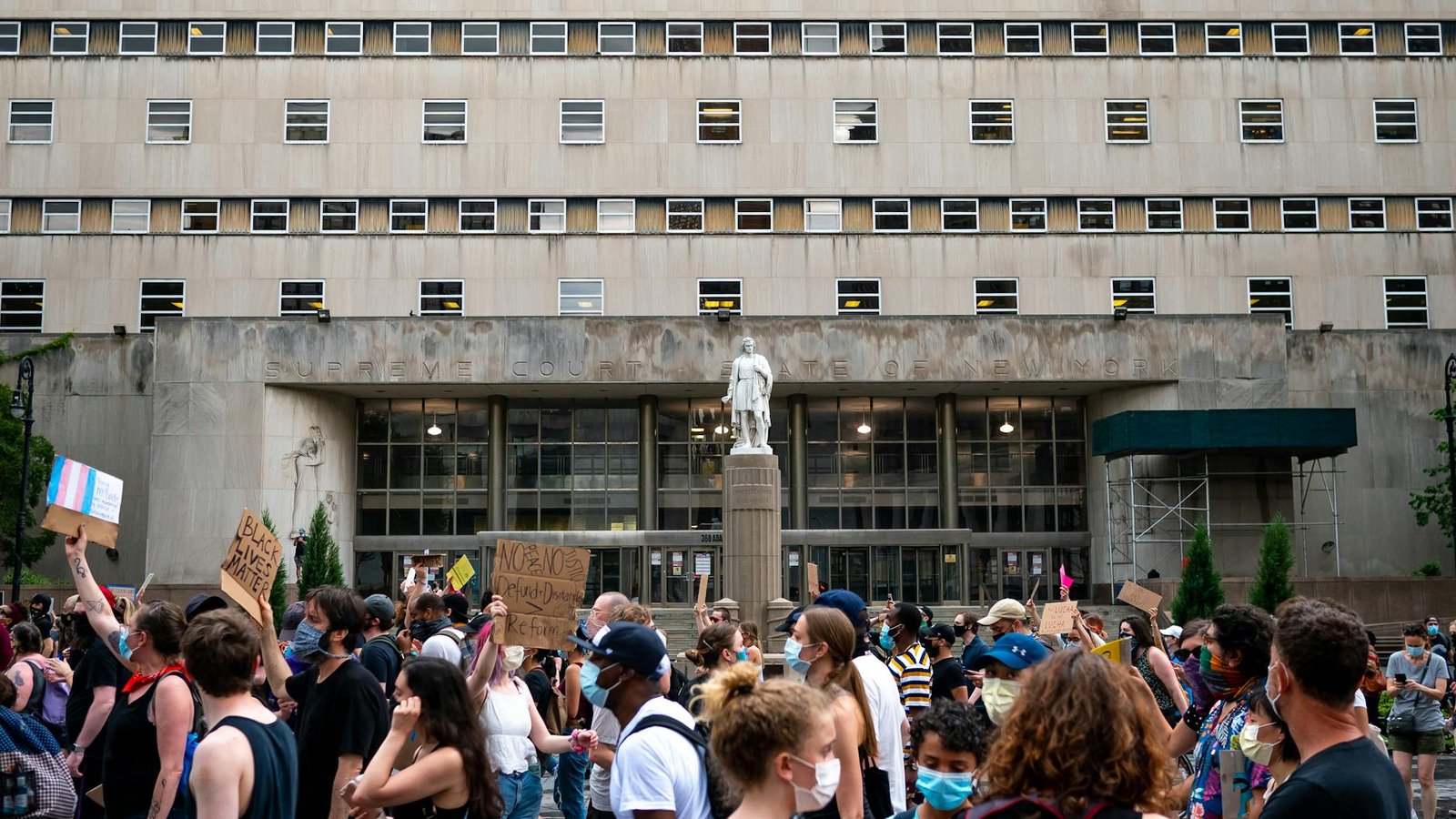
The U.S. Supreme Court’s recent rejection of President Donald Trump’s trade tariffs has sent ripples through the political and economic landscapes, but the crypto industry remains largely unaffected—for now.
The decision, which could have far-reaching implications for trade and fiscal policy, is more likely to influence the broader market sentiment and political climate rather than directly impacting the decentralized and global nature of cryptocurrencies. However, the underlying political and economic tensions could indirectly shape the regulatory environment for digital assets in the coming months.
Political and Market Reactions
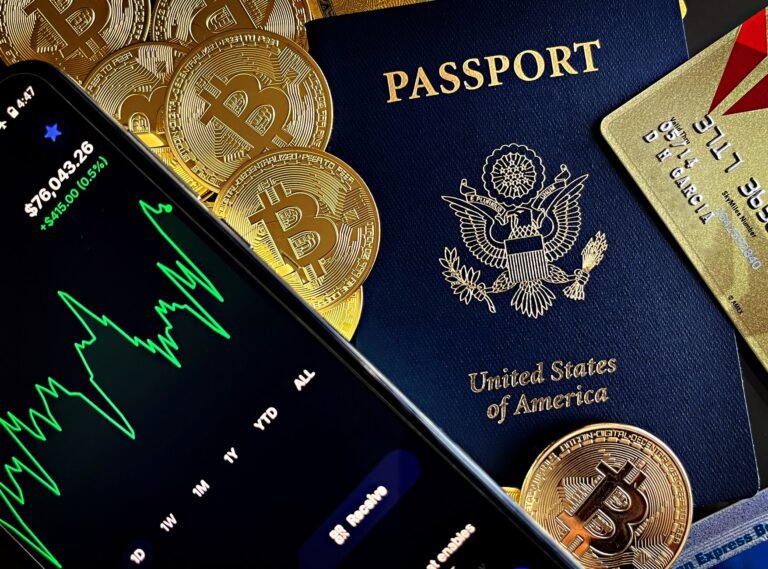
The Supreme Court’s ruling has been met with mixed reactions from both political and market observers. While the decision is seen as a significant setback for the Trump administration, it is unlikely to have an immediate, dramatic effect on the crypto market. Bitcoin, the leading cryptocurrency, experienced a brief spike followed by a drop, but this volatility is more characteristic of the asset class than a direct response to the legal decision.
The Rumor Mill and Market Speculation
The weekend was abuzz with speculation following a rumor shared by CNBC’s Jim Cramer. Cramer suggested that President Trump would start filling a bitcoin reserve if the asset’s price drops to $60,000. However, this claim has been widely debunked, as there is no evidence of such a reserve being established, and it would require congressional approval to do so.
Trump administration officials have been clear that the government has no plans to spend taxpayer funds on purchasing cryptocurrencies. Treasury Secretary Scott Bessent reiterated this stance, stating that he has no authority to bail out bitcoin. This clarification underscores the government’s cautious approach to digital assets and the current lack of a strategic reserve for cryptocurrencies.
Broader Implications for the Crypto Industry
While the Supreme Court’s decision on tariffs may not have an immediate impact on the crypto market, the political climate it creates could influence future regulatory actions. The rejection of the tariffs signals a shift in the balance of power and could lead to more stringent oversight of financial markets, including cryptocurrencies.
Crypto enthusiasts and industry leaders are watching closely for any signals that might indicate a change in the regulatory landscape. The industry’s decentralized and borderless nature makes it less susceptible to immediate government intervention, but long-term policy shifts could have a more profound impact.
Looking Ahead
The crypto market’s resilience to political and legal developments is a testament to its maturing status as a global asset class. However, the industry cannot afford to be complacent. The Supreme Court’s decision and the broader political environment serve as a reminder that regulatory clarity and stability are crucial for the long-term growth and adoption of cryptocurrencies.
As the crypto industry continues to evolve, it will need to navigate the complex interplay of political, economic, and technological factors. The coming months will be crucial for shaping the regulatory framework and ensuring that digital assets remain a viable and attractive investment option for both retail and institutional investors.
About the Author