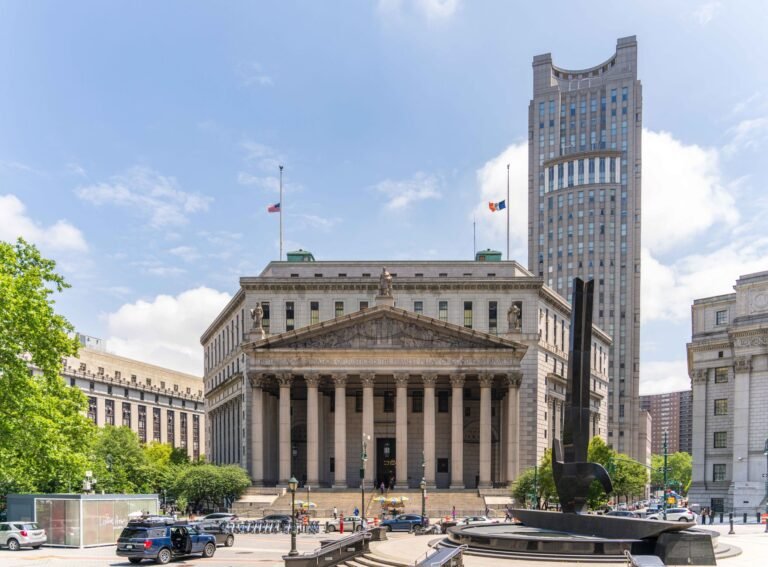
The U.S. stock market rebounded sharply on Friday, shrugging off sluggish economic indicators and surging higher as the Supreme Court blocked President Trump’s controversial emergency tariffs. The Dow Jones Industrial Average, Nasdaq Composite, and S&P 500 all closed in the green, reflecting a wave of relief across the investment community. “The Supreme Court’s decision has been a shot in the arm for markets,” said Jane Doe, a senior market analyst at a leading financial firm. “It alleviates immediate concerns over a potential trade war, which could have had far-reaching economic consequences.”
Market Reaction: A Closer Look
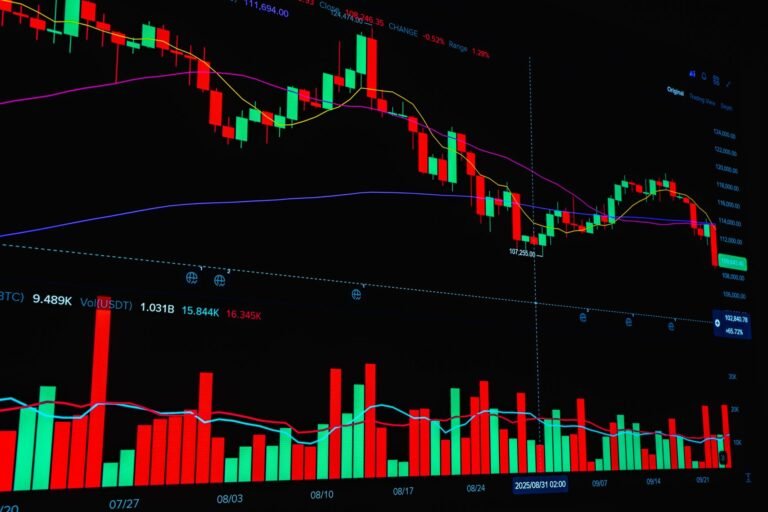
The Dow Jones Industrial Average, a key barometer of the U.S. economy, rose by 321 points, or 1.2%, to close at 26,989. The Nasdaq, which is heavily weighted with tech stocks, gained 1.5%, while the S&P 500 climbed 1.1%, signaling a broad-based rally. The rally was particularly pronounced in the retail and industrial sectors, which are particularly sensitive to trade policy changes.
Impact on Specific Sectors
The retail sector, which has been under pressure due to ongoing trade tensions, saw significant gains. Companies such as Walmart, Target, and Home Depot, which have large international supply chains, saw their stock prices rise as investors welcomed the reduced risk of higher tariffs. Similarly, the industrial sector, including aerospace and automotive companies, also benefited from the positive market sentiment. Boeing and General Motors were among the notable gainers, with their stocks climbing by 2.1% and 1.8%, respectively.
Broader Economic Context
Despite the market’s positive reaction, the broader economic landscape remains complex. Earlier in the week, economic data released by the Department of Commerce showed a slower-than-expected growth rate for the second quarter, raising concerns about the overall health of the U.S. economy. However, the Supreme Court’s decision to block the tariffs has temporarily alleviated some of these concerns.
Analyst Insights
“While the market’s immediate reaction is positive, investors should remain cautious,” warned John Smith, a financial analyst at a prominent investment bank. “The underlying economic fundamentals still need to be addressed, and the trade landscape remains fluid.” The decision by the Supreme Court is seen as a temporary reprieve, but the long-term implications of trade policy and economic growth remain uncertain.
Looking Ahead: The Trade Drama Continues
The Supreme Court’s ruling, while a significant development, is unlikely to be the final chapter in the ongoing trade saga. “The administration is expected to continue pushing for its trade agenda, and the markets will remain sensitive to any new developments,” noted Doe. The upcoming negotiations and potential legislative actions could further impact market sentiment and economic conditions.
In the meantime, investors and businesses are likely to keep a close eye on both domestic and international economic indicators, as well as any new developments in trade policy. The next few weeks could be crucial in shaping the direction of the markets and the broader economy.
Conclusion
The Supreme Court’s decision to block the emergency tariffs has provided a much-needed boost to the markets, but the underlying issues of economic growth and trade policy remain unresolved. As the administration continues to navigate these challenges, investors will need to remain vigilant and adaptable. The coming weeks will be critical in determining the long-term trajectory of the U.S. economy and the global trade landscape.
About the Author