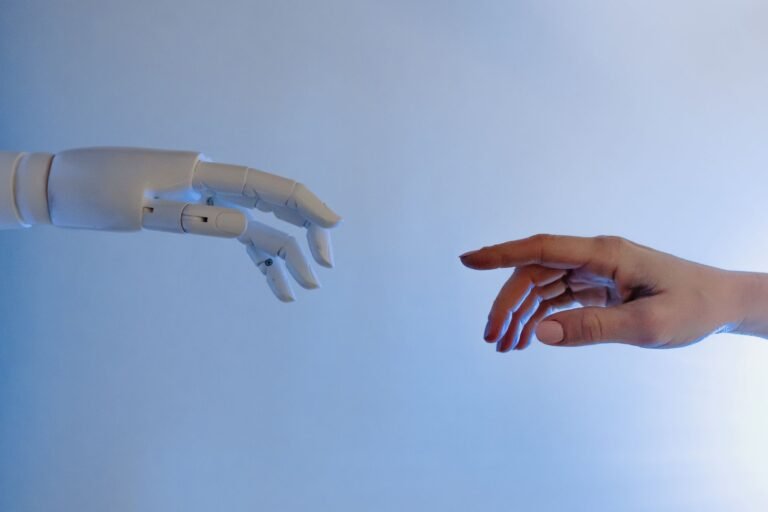
In the rapidly evolving world of technology, a new paradigm is emerging that could redefine the way we approach software development. According to Anthropic’s 2026 Agentic Coding Trends Report, the future of coding is not about humans writing lines of code, but rather about orchestrating AI agents that do the heavy lifting. This shift is poised to transform the role of software engineers from coders to conductors, managing a symphony of AI agents that can automate the development process.
From Coders to Conductors
The report highlights a significant shift in the software development landscape. Traditional coding, which involves writing and debugging lines of code, is becoming a thing of the past. Instead, engineers are increasingly focusing on designing and managing AI agents that can handle the coding tasks. These agents, equipped with advanced machine learning capabilities, can write, test, and deploy code more efficiently and with fewer errors than human developers.
Key Findings of the Report
The report identifies several key trends that are driving this transformation:
- Increased Efficiency: AI agents can write code faster and with higher accuracy, reducing the time and resources needed for development.
- Scalability: Multi-agent systems can handle complex projects by breaking them down into smaller, manageable tasks, each managed by a specialized AI agent.
- Continuous Improvement: AI agents can learn from past projects and improve their performance over time, leading to better code quality and fewer bugs.
These trends are not just theoretical; they are already being implemented by leading tech companies. For example, Google and Microsoft are actively integrating AI agents into their development workflows, resulting in faster product releases and higher customer satisfaction.
The Future of Software Development
The implications of this shift are profound. As AI agents take on more of the coding responsibilities, software engineers will need to develop new skills. They will become more like project managers, focusing on high-level design, strategy, and coordination. This change will require a new set of competencies, including a deep understanding of AI, data science, and systems architecture.
Moreover, the rise of AI agents in software development could lead to a more democratized coding environment. With AI handling the technical aspects, individuals with less coding experience could contribute to development projects, potentially opening up new opportunities for innovation and collaboration.
Challenges and Considerations
While the potential benefits of AI agents in software development are significant, there are also challenges to consider. One of the most pressing concerns is the ethical and security implications of relying heavily on AI. Ensuring that AI agents are transparent, accountable, and secure will be crucial for building trust and maintaining the integrity of software systems.
Another challenge is the potential for job displacement. As AI agents take over more coding tasks, there is a risk that some software development jobs could become redundant. However, the report suggests that the focus should be on upskilling and reskilling the workforce to adapt to the new roles that will emerge in this AI-driven landscape.
Conclusion
The 2026 Agentic Coding Trends Report paints a compelling picture of the future of software development. As AI agents become more prevalent, the role of software engineers will evolve, requiring a new set of skills and a different approach to project management. While there are challenges to navigate, the potential for increased efficiency, scalability, and innovation is immense. As we move forward, it will be essential to strike a balance between leveraging the power of AI and ensuring that the human element remains at the core of the development process.
About the Author