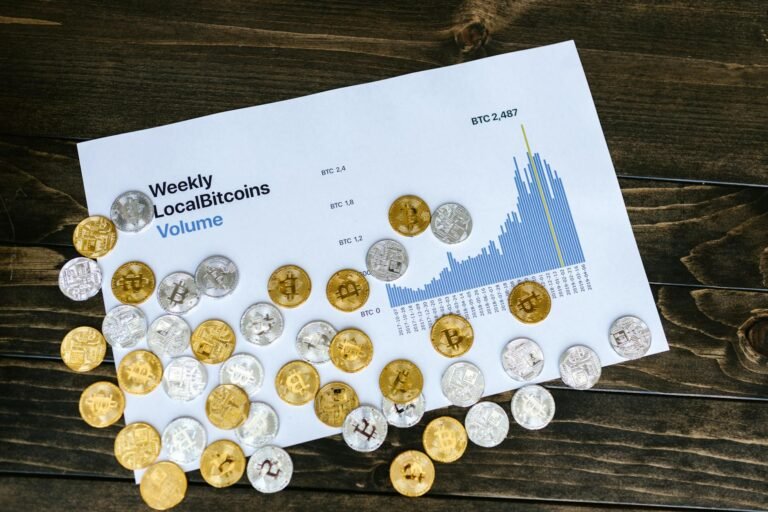
The world of tokenized assets has seen a meteoric rise, now exceeding $25 billion, a figure that has nearly quadrupled over the past year. This explosive growth is being driven by the tokenization of Treasurys, private credit, and commodities, sectors that are increasingly leveraging blockchain technology to enhance liquidity and accessibility.
Driving Forces Behind the Surge
At the heart of this growth is the tokenization of traditional financial instruments, which allows them to be traded more efficiently and transparently. Treasurys, private credit, and commodities are leading the charge, with tokenized versions of these assets gaining traction among institutional investors and retail enthusiasts alike. This trend is not just a fad; it represents a fundamental shift in how assets are managed and traded in the digital age.
Treasurys: A Safe Haven in Tokenized Form
Tokenized Treasurys have emerged as a safe haven for investors seeking stable returns in a volatile market. These digital versions of government bonds offer the same security and reliability as their traditional counterparts but with the added benefits of faster settlement times and lower transaction costs. This has made them particularly appealing to institutional investors looking to diversify their portfolios and hedge against market uncertainties.
Private Credit: Democratizing Access to Alternative Investments
The tokenization of private credit has democratized access to what was once a niche and exclusive market. By converting private loans and debt instruments into digital tokens, platforms are enabling a broader range of investors to participate in these high-yield opportunities. This not only increases liquidity but also provides more options for risk management and portfolio diversification.
Commodities: Bridging the Physical and Digital Worlds
Commodities, such as gold and silver, have also entered the tokenized arena, allowing for seamless trading and ownership verification. Tokenized commodities are backed by physical assets stored in secure vaults, ensuring that each token represents a tangible and verifiable asset. This has opened up new avenues for investors to gain exposure to precious metals and other commodities without the need for physical storage or complex logistics.
Challenges and Opportunities
Despite the rapid growth, the tokenized asset market faces several challenges. Regulatory uncertainty remains a significant hurdle, with many jurisdictions still grappling with how to classify and oversee these new financial instruments. Additionally, most tokenized assets remain isolated from decentralized finance (DeFi) markets, limiting their potential for broader integration and innovation.
However, the opportunities are vast. As the regulatory landscape clarifies and more platforms adopt tokenized assets, we can expect to see increased interoperability and a more integrated financial ecosystem. This could lead to the creation of new financial products and services that bridge the gap between traditional and digital markets, ultimately benefiting a wider range of investors.
Looking Ahead
The future of tokenized assets looks bright. With ongoing advancements in blockchain technology and growing institutional interest, the market is poised for continued expansion. As more assets become tokenized and regulatory frameworks mature, the barriers to entry will likely diminish, paving the way for a more inclusive and efficient financial system. The key will be to balance innovation with robust oversight to ensure that the benefits of tokenization are realized without compromising investor protection or market integrity.
About the Author