Toncoin surges 36% as Telegram replaces TON Foundation and slashes fees
The market is repricing TON as a Telegram-led ecosystem again, not just a foundation-run chain with a messaging app narrative attached.
What to know:
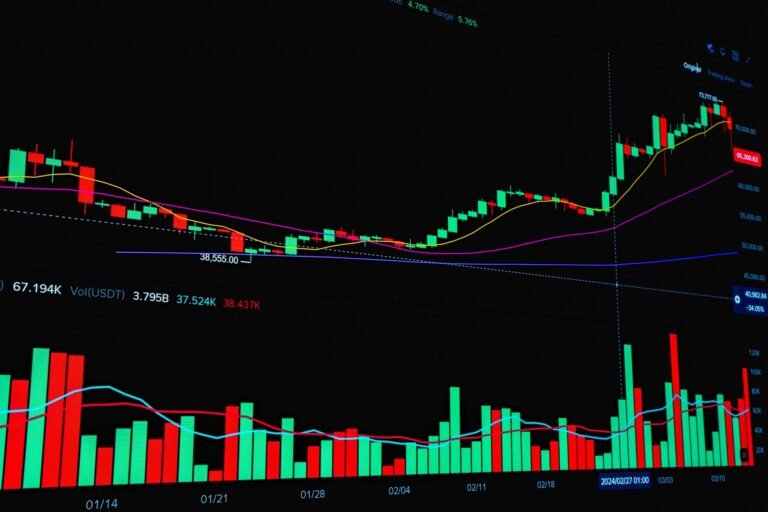
- Toncoin has surged more than 36% in 24 hours, outperforming the broader market.
- Telegram’s founder Pavel Durov said that Telegram would replace the TON Foundation as the chain’s main driving force.
- He added that transaction fees on TON’s parent blockchain, The Open Network, had fallen nearly to zero.
The bullish sentiment has spread across the Telegram-linked ecosystem, with Notcoin gaining nearly 26%, Dogs rising more than 100%, and several smaller TON-based tokens posting even larger daily moves.
The market seems to be reacting to Telegram’s decision to replace the Ton Foundation as the driving force behind TON.
In an X post on Monday, Telegram founder Pavel Durov said that the messaging platform would become TON’s largest validator and take over as the driving force behind the ecosystem, with new developer tools, performance upgrades, and a refreshed ton.org expected within two to three weeks.
A validator is a specialized node or participant responsible for verifying transactions, ensuring network security, and maintaining the accuracy of a blockchain.