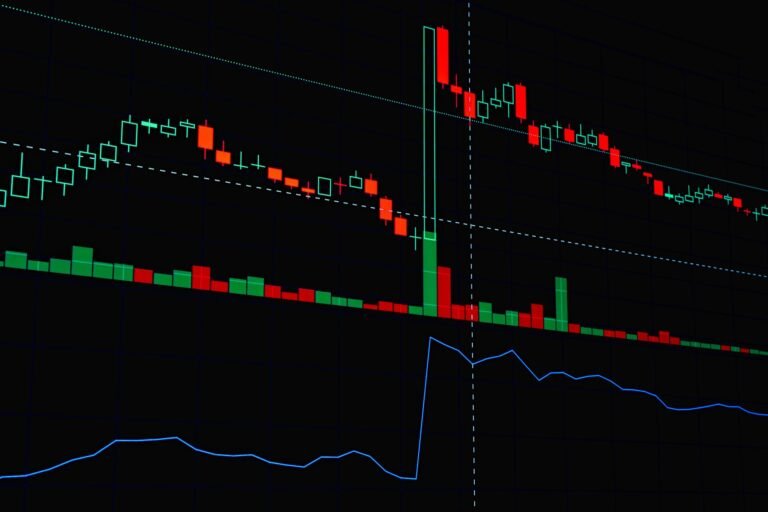
The USD1 stablecoin, closely associated with former President Donald Trump, has faced significant volatility as it briefly fell to $0.994, a 0.6% dip below its $1 peg, according to CoinGecko data. The token, which has attracted over $750 million in investment, is now under what the company claims is a ‘coordinated attack,’ raising concerns about its stability and the broader implications for the crypto market.
Market Reactions and Company Response
The drop in USD1’s value has sent ripples through the crypto community, with many investors and analysts questioning the resilience of the token. World Liberty Financial (WLFI), the company behind USD1, has been swift to respond, repurchasing approximately $350,000 worth of its stock. This move, which WLFI says was made at a 35% discount to the net asset value (NAV), is aimed at stabilizing the token’s price and restoring investor confidence.
Asset Holdings and Financial Commitments
Beyond the immediate market actions, WLFI’s financial structure is a critical point of discussion. The company holds a significant portfolio, including 5,007 BTC worth about $335 million, $70 million in cash, and $100 million in convertible debt. WLFI has emphasized its commitment to narrowing the NAV discount, a step that could potentially attract more long-term investors.
Broader Market Implications
The volatility of USD1 is not just a concern for WLFI and its investors; it also reflects broader issues in the stablecoin market. Stablecoins, which are designed to maintain a stable value, are crucial for the functioning of decentralized finance (DeFi) platforms and other crypto applications. Any significant deviation from their peg can lead to systemic risks, affecting liquidity and trust in the broader ecosystem.
Regulatory Scrutiny and Future Prospects
As the crypto market continues to mature, regulatory scrutiny is intensifying. The U.S. Treasury and other regulatory bodies are closely monitoring the activities of stablecoin issuers, particularly those with high-profile backing like USD1. This increased oversight could lead to more stringent requirements and guidelines, which might impact the operations and growth of stablecoins in the future.
Despite the current challenges, WLFI remains optimistic about the long-term prospects of USD1. The company’s robust asset base and proactive market actions suggest a commitment to maintaining the token’s stability. However, the ongoing market attack serves as a stark reminder of the vulnerabilities in the crypto space and the need for robust risk management strategies.
Conclusion
The recent volatility of the USD1 stablecoin highlights the ongoing challenges and risks in the crypto market. While WLFI’s response to the ‘coordinated attack’ demonstrates a commitment to stability, the broader implications for the stablecoin market and regulatory landscape cannot be ignored. As the crypto ecosystem continues to evolve, the resilience of stablecoins will be a key factor in determining the future of decentralized finance and other blockchain applications.
About the Author