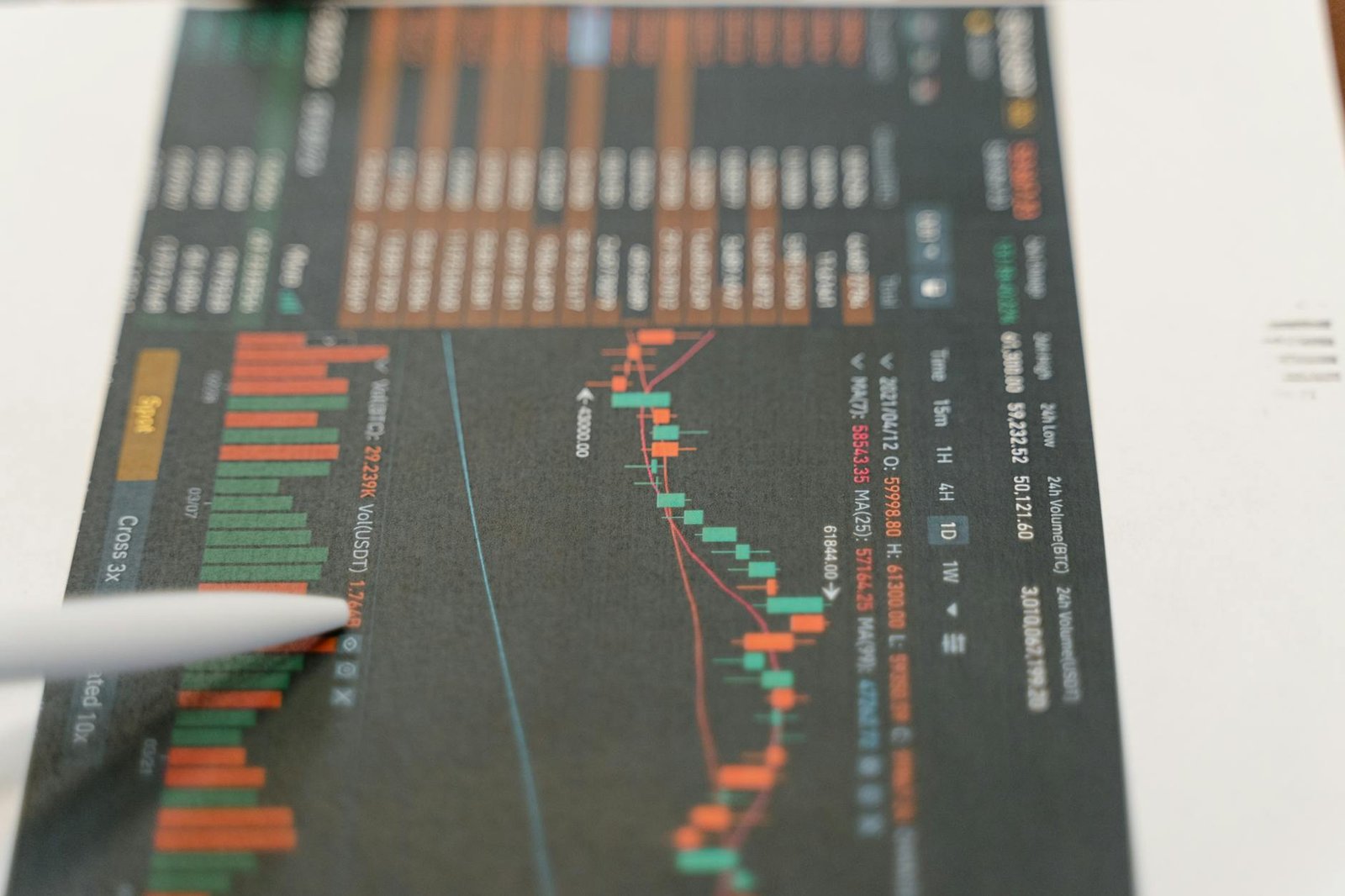
The U.S. stock market showed signs of fatigue on Thursday, with major indices trading modestly lower as oil prices surged to a six-month high and investors braced for upcoming economic data and Federal Reserve signals. By 3:30 p.m. EST, the Dow Jones Industrial Average was down slightly, reflecting a cautious mood among investors who were weighing the impact of rising oil prices on corporate earnings and the broader economy.
Oil Prices Surge to Six-Month High
Crude oil futures jumped to their highest level in six months, driven by supply concerns and a weaker U.S. dollar. The surge in oil prices added to the list of headwinds for the stock market, as higher energy costs can squeeze corporate profit margins and dampen consumer spending. This development comes at a time when the market is already grappling with geopolitical tensions and the potential for a more hawkish stance from the Federal Reserve.
Fed Signals and Economic Data on the Horizon
Investors are closely watching for signals from the Federal Reserve, which is expected to provide more clarity on its monetary policy path in the coming weeks. The Personal Consumption Expenditures (PCE) price index, a key inflation indicator, is due for release soon, and any unexpected movements could influence the Fed’s decision-making. The market’s sensitivity to these economic indicators underscores the delicate balance between growth and inflation that investors are navigating.
AI-Driven Rally Faces Headwinds
The previous session’s AI-fueled rally, which saw significant gains in tech and growth stocks, lost some of its momentum as the day progressed. While artificial intelligence continues to be a major driver of innovation and investment, the market’s enthusiasm for AI-related stocks is being tempered by broader economic concerns. Analysts suggest that while the long-term prospects for AI are bright, short-term volatility is likely to persist as investors adjust their expectations.
Geopolitical Tensions Add to Market Uncertainty
Geopolitical tensions, particularly those involving major oil-producing regions, added to the market’s unease. Any disruption in oil supply could have far-reaching implications for global economic growth, further complicating the investment landscape. Investors are also keeping a close eye on developments in trade negotiations and political events that could impact market sentiment.
Looking Ahead
As the market continues to navigate these challenges, the focus will remain on economic data and central bank communications. The upcoming PCE data and the Fed’s next meeting will be key events that could shape the market’s direction in the near term. Analysts advise investors to remain cautious and to consider diversifying their portfolios to manage risk. Despite the current uncertainties, the underlying fundamentals of the economy and the tech sector remain strong, suggesting that the market has the potential to recover and continue its upward trajectory.
About the Author