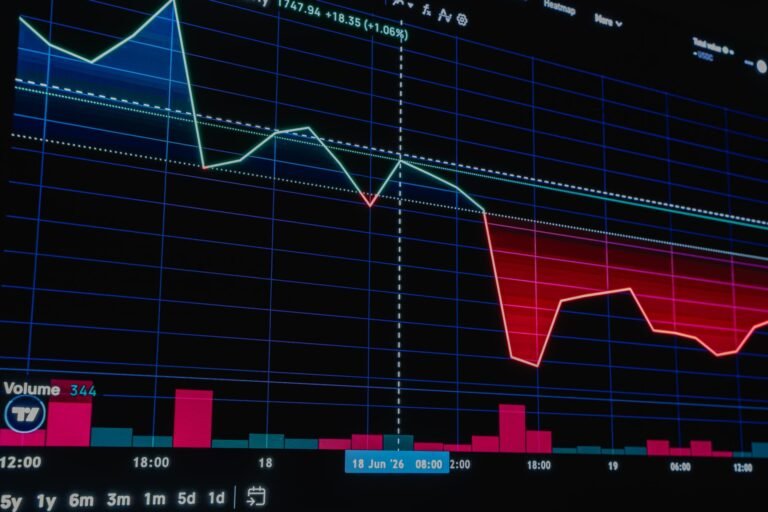
The U.S. stock market tumbled on Monday, with major indexes falling as tensions between the United States and Iran sent oil prices soaring and investors fleeing to safer assets. By mid-afternoon, the Dow Jones Industrial Average, S&P 500, and Nasdaq Composite were all in the red, reflecting a widespread shift toward risk-off trading.
Geopolitical Uncertainty Rattles Markets
Geopolitical concerns have once again come to the forefront, with the latest developments in the Middle East stirring fears of potential military conflict. The United States and Iran have been engaged in a series of escalations, which have heightened the risk of supply disruptions in the global oil market. This, in turn, has driven up the price of crude oil, a critical input for the global economy.
Oil Prices Climb, Investors Seek Safety
Crude oil prices surged, with Brent crude, the international benchmark, rising to levels not seen in months. The spike in oil prices is particularly concerning for the U.S. economy, which remains highly dependent on energy. As a result, investors are increasingly cautious, opting to move funds into bonds and other safe-haven assets.
Market Reactions and Economic Implications
The sell-off in stocks is not limited to the energy sector. Technology and consumer discretionary stocks, which have been key drivers of the market’s recent gains, are also under pressure. Analysts warn that the prolonged impact of higher oil prices could dampen corporate earnings and consumer spending, potentially leading to a slowdown in economic growth.
What’s Next for Investors?
As the geopolitical situation continues to evolve, investors are closely monitoring developments in the Middle East and the response of global leaders. The Federal Reserve, which is scheduled to meet later this week, will also be a focus, with markets looking for any signals on how the central bank might address the rising economic risks.
Conclusion: Navigating Turbulent Waters
The current market volatility underscores the importance of diversification and risk management in investment portfolios. While the immediate outlook remains uncertain, the long-term fundamentals of the U.S. economy remain strong. Investors should stay informed and be prepared to adjust their strategies as the situation unfolds.
About the Author