What’s next after bitcoin’s historic underperformance stretch against stocks
With a few hours to go, bitcoin has tumbled 22% in the first quarter, following a 25% drop in the last quarter of 2025.
What to know:
- Though it has outperformed since the outbreak of the Iran war, bitcoin has trailed U.S. equities for nearly six months, its longest recorded stretch of underperformance versus the S&P 500.
- Analyst Mark Connors says bitcoin’s extended lag and earlier deleveraging could set up a rebound, though he argues that the timing will hinge largely on how geopolitical risks and energy markets evolve.
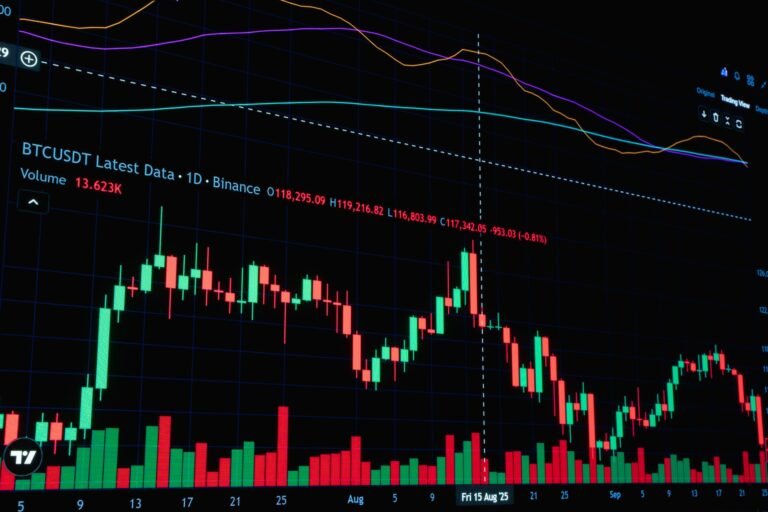
Bitcoin’s first-quarter slump capped an unusual run: nearly six months of underperformance against U.S. equities, a stretch that has no precedent.
“That’s never happened,” said Mark Connors, founder of Risk Dimensions, pointing to data showing bitcoin lagging stocks consistently since early October. The trend has raised fresh questions about whether the asset is behaving more like a risk trade than a hedge.
Bitcoin fell roughly 22% in the first quarter of 2026, following a 25% decline during the final three months of 2025. Over a similar period, the S&P 500 declined far less, leaving a wide performance gap. Connors said the duration of that gap, not just the size, stands out. Previous pullbacks have been sharper but shorter.
The weakness came amid broader market struggles. U.S. equities logged their worst quarter in four years, with the Nasdaq down more than 10% from recent highs. The combined decline across stocks and crypto erased much of the rally that followed the 2024 election.
Policy progress has been uneven. A new SEC chair has helped clear a path for more crypto ETFs, and lawmakers have advanced measures such as the GENIUS Act. Trump also signed an executive order in August that would make it easier for 401(k) plans to include alternative assets such as cryptocurrencies, private equity and real estate, which the Labor Department proposed a rule in response to on Monday.