Why diehard bitcoin purists aren’t sweating the massive price crash that wiped out $200 billion
Mati Greenspan, Michael Saylor and Jameson Lopp blamed the AI boom for draining capital from bitcoin. Meanwhile, Jack Mallers refrained from sharing an outlook but recommended buying the dip.
Why diehard bitcoin purists aren’t sweating the massive price crash that wiped out $200 billion
Mati Greenspan, Michael Saylor and Jameson Lopp blamed the AI boom for draining capital from bitcoin. Meanwhile, Jack Mallers refrained from sharing an outlook but recommended buying the dip.
Bitcoin maximalists argue the recent price slump is a temporary liquidity crunch driven by speculative capital rotating into artificial intelligence rather than a loss of faith in the asset.
Analysts point to record outflows from U.S. spot bitcoin ETFs, surging AI equities and blockbuster AI fundraisings as evidence that traditional liquidity is chasing tech infrastructure instead of crypto.
While critics say bitcoin faces broader macro pressures, including high rates, ETF outflows and shaken confidence after Strategy’s small BTC sale, advocates frame the current downturn as a potential accumulation zone if network fundamentals hold.
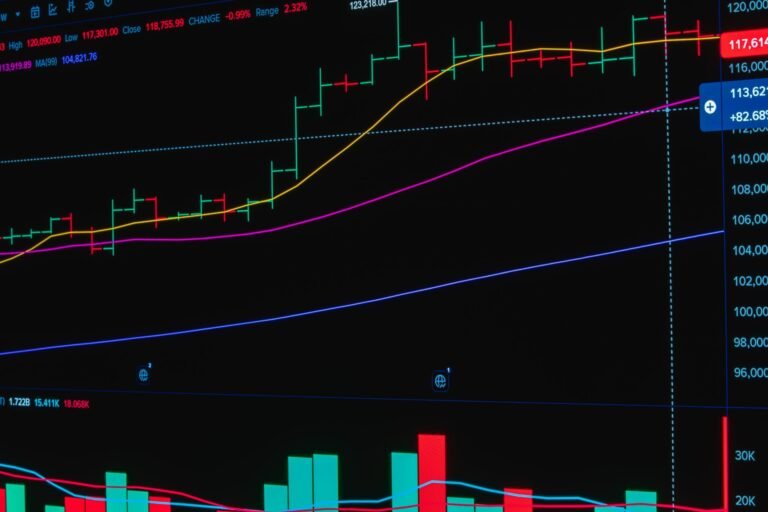
This narrative comes as the world’s largest cryptocurrency is currently hovering below $60,000, down about 27% over the past month and down by more than 50% from its Oct. 6 all-time high, according to CoinDesk data.
The capital flight coincided with a record-breaking streak for U.S. spot bitcoin ETFs, which suffered $3.45 billion in outflows across 11 consecutive sessions. While crypto bleeds, Wall Street’s tech appetite remains aggressive. Even after the recent pullback, AI-related equities remain among the market’s strongest performers. The Nasdaq rose 34%, and the S&P 500 climbed nearly 24% in the last year, raising anxiety among crypto investors seeking answers about bitcoin’s underperformance.
While some market observers view the drop as a loss of structural confidence, bitcoin maxis argue the slump is merely a reflection of speculative capital rotating heavily into AI.
According to Mati Greenspan, a market analyst, bitcoin maximalist and founder of Quantum Economics, the price of bitcoin is in a downward trend, not because investors have lost faith in it, but because AI has become the dominant destination for speculative capital.
“Bitcoin is not facing a bitcoin problem. It’s facing a liquidity problem,” Greenspan told CoinDesk in an interview Friday. “AI has become the market’s new obsession, but obsessions fade.”
Another prominent bitcoin maxi and subject of recent debate if his bitcoin selling has caused the recent crash, Strategy (MSTR) Chairman Michael Saylor echoed Greenspan’s sentiment on X.
“Capital markets are funding the AI buildout at historic scale: ~$400B over six months,” Saylor said. Bitcoin ETFs have seen ~$4B of outflows since May 14, pressuring BTC. This is a capital rotation, not a bitcoin impairment. Volatility creates opportunity.”
‘The root cause’
Greenspan pointed to the Anthropic $50 billion IPO, targeting a nearly $1 trillion valuation, as the clearest indication of where market liquidity might have gone.
While bitcoin advocates point to the asset’s historical long-term returns, traditional liquidity pools are currently chasing AI infrastructure, data centers, and multi-billion-dollar private capital rounds, Greenspan added.
In fact, the anticipated IPOs of OpenAI, Anthropic and SpaceX, which together could raise more than $200 billion, may be drawing investor attention and capital toward AI and technology opportunities at the expense of other speculative assets, including crypto.
Bitcoin core developer and maximalist Jameson Lopp argued that investor frustration during market downturns often fuels the search for simple explanations. “I suspect the root cause is the bear market, combined with TradFi markets experiencing an AI boom,” Lopp said on X.
However, not everyone is blaming AI as the primary driver behind bitcoin’s weakness.
Market data suggests the pressure on crypto is multifaceted, and critics argue that blaming AI entirely oversimplifies a fragile macroeconomic environment. Jason Fernandes, a bitcoin maxi, market analyst and AdLunam co-founder, told CoinDesk that the asset is facing pressure from multiple fronts.
“BTC is under siege from every angle right now,” Fernandes said. “ETF outflows, high interest rates, creeping inflation, money rotating back into hot tech stocks, macro uncertainty, and now the psychological shock of Michael Saylor’s Strategy selling BTC after years of preaching ‘never sell.’”
Strategy, the largest publicly traded corporate holder of bitcoin, drew heavy criticism on social media after selling 32 bitcoin for $2.5 million in late May—its first sale in four years—to fund dividend payments on STRC, its perpetual preferred stock known as Stretch.
Though critics claimed the move “damaged confidence,” Greenspan, like many other analysts, dismissed the panic. “Selling 32 BTC against a balance sheet of more than 843,000 BTC is not even a rounding error,” Greenspan said.
Time to buy?
Despite the outflows, some of the maxis argue it might be time to dip into the underperforming asset as bitcoin’s longer-term fundamentals remain intact.
Greenspan argued that the recent record-breaking outflows from bitcoin funds are likely part of a rotation back toward monetary assets. He added that bitcoin’s current consolidation phase could serve as an accumulation zone if underlying network fundamentals hold. Despite the price dip, institutional adoption, regulatory frameworks, and discussions around bitcoin as a strategic reserve asset have continued to mature over the last few years.
Meanwhile, other bitcoin advocates, such as Strike CEO Jack Mallers, are bypassing broader market debates and encouraging investors to buy the dip on social media.
However, a rotation back into crypto is not guaranteed to be smooth. Even if bitcoin’s weakness stems partly from capital flowing into AI, Greenspan argues that a reversal may not immediately benefit crypto and might act as a double whammy.
“If AI sentiment cracks, bitcoin could get hit twice: first from liquidity leaving crypto, and then again from a broader risk-off move across markets,” Greenspan said.
“As for what comes next, I would be careful assuming the bottom is already in,” Greenspan noted.
Dogecoin and Shiba Inu led losses among major tokens as heavy volume and liquidations overwhelmed support levels, extending a broader risk-off move across crypto markets.
What to know:
Dogecoin and Shiba Inu each fell about 9 percent as bitcoin slid toward $60,000, with selling heaviest in the most speculative parts of the crypto market.
Both tokens broke key support levels and saw their largest trading volumes on breakdowns rather than rebounds, signaling that sellers remain firmly in control.