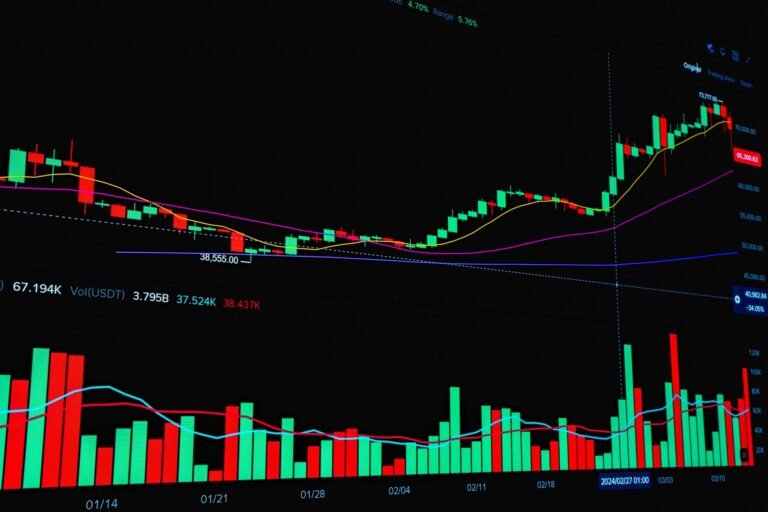
The growing adoption of XRP and the expansion of its network infrastructure have not translated into a proportional surge in its market price, raising concerns among industry observers and investors. Evernorth CEO Asheesh Birla recently highlighted that despite the network’s advancements, institutional adoption remains a critical bottleneck.
The XRP Pricing Conundrum
XRP’s price has remained relatively stagnant, even as the network continues to introduce new features and partnerships. This pricing disconnect is a significant issue for a digital asset that is increasingly being used for cross-border payments and financial transactions. Birla attributes this to the limited engagement from institutional investors, who are essential for sustaining long-term demand.
Institutional Adoption: The Missing Link
Institutional investors, including banks and large financial firms, are crucial for the stability and growth of any digital asset. However, Birla points out that these entities are still hesitant to fully embrace XRP. The reasons for this hesitation are multifaceted, ranging from regulatory uncertainties to concerns about the asset’s volatility and security.
Regulatory Hurdles: One of the primary barriers is the ongoing regulatory scrutiny. The Securities and Exchange Commission (SEC) has been particularly active in its oversight of digital assets, leading to a cautious approach from institutions. This uncertainty can deter large-scale investments and hinder the development of a robust institutional ecosystem.
Volatility and Security: Digital assets, including XRP, are known for their price volatility. This volatility, coupled with the potential security risks associated with digital transactions, can be a significant deterrent for risk-averse institutions. Birla emphasizes that addressing these concerns is essential for building trust and encouraging broader adoption.
Expanding the XRP Ecosystem
Despite the challenges, the XRP ecosystem is expanding. The XRP Ledger continues to introduce innovative features, such as decentralized finance (DeFi) applications and non-fungible tokens (NFTs). These developments are aimed at diversifying the use cases for XRP and attracting a broader range of users and developers.
DeFi and NFTs: The integration of DeFi and NFTs on the XRP Ledger is a significant step forward. These features can enhance the utility of XRP and create new opportunities for value creation. For instance, DeFi applications can provide liquidity and financial services, while NFTs can enable unique digital assets and collectibles.
Future Outlook and Strategies
Looking ahead, the XRP community is focused on addressing the institutional adoption gap. Key strategies include:
- Enhancing Regulatory Clarity: Engaging with regulators to establish clear guidelines and frameworks for digital assets.
- Improving Security and Stability: Developing advanced security protocols and stablecoin solutions to reduce volatility and enhance trust.
- Building Strong Partnerships: Collaborating with financial institutions and technology providers to create integrated solutions that meet the needs of institutional investors.
Asheesh Birla remains optimistic about the future of XRP. He believes that with the right strategies and partnerships, the asset can overcome its current challenges and achieve its full potential. The key lies in building a robust and trusted ecosystem that can attract and retain institutional investors.
Conclusion
The disconnect between XRP’s market price and its real-world usage is a complex issue that requires a multifaceted approach. While the XRP ecosystem continues to grow and innovate, the lack of institutional adoption remains a significant hurdle. By addressing regulatory uncertainties, improving security, and building strong partnerships, the XRP community can pave the way for sustained growth and broader acceptance in the financial sector.
About the Author