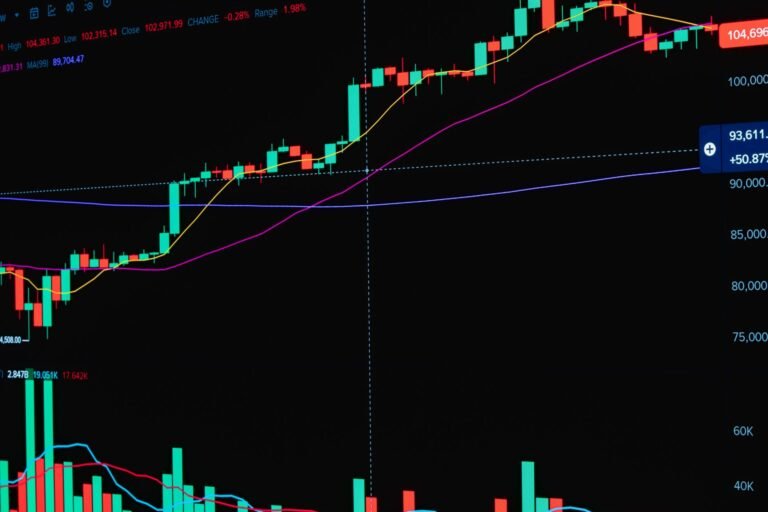
Despite a surge of over a billion dollars flowing into Bitcoin ETFs, the cryptocurrency’s price has remained stubbornly flat. This anomaly has left many investors scratching their heads, wondering why the influx of institutional money isn’t translating into a price rally.
ETF Inflows vs. Spot Demand
According to an analysis by Bitfinex, the disconnect between ETF inflows and Bitcoin’s price can be attributed to the misinterpretation of ETF inflows as immediate spot demand. While ETFs provide a convenient way for institutional investors to gain exposure to Bitcoin, the funds themselves do not necessarily result in direct purchases of the underlying asset on the spot market.
The Mechanism Behind ETF Inflows
ETFs, or Exchange-Traded Funds, are financial products that track the price of an underlying asset, in this case, Bitcoin. When investors buy shares of a Bitcoin ETF, they are essentially buying a share of a fund that holds Bitcoin, rather than the actual cryptocurrency itself. This means that the demand for ETF shares does not always translate into increased demand for Bitcoin on the spot market.
“The key is understanding that ETF inflows are a proxy for interest in Bitcoin, not a direct indicator of spot market activity,” said a Bitfinex analyst. “While ETFs can drive long-term price trends, they don’t always have an immediate impact on the spot price.”
The Role of Market Liquidity
Another factor contributing to the lack of price movement is market liquidity. Bitcoin’s spot market is highly liquid, meaning that large volumes of trading can occur without significantly affecting the price. When institutional investors pour money into ETFs, the funds often use derivatives and other financial instruments to gain exposure to Bitcoin, rather than buying large quantities of the cryptocurrency on the spot market.
“The derivatives market is much more efficient and can handle large inflows without causing significant price movements,” explained a market analyst at a leading financial institution. “This is why we see ETF inflows without a corresponding rise in the spot price.”
Institutional Investor Behavior
Institutional investors, who are the primary buyers of Bitcoin ETFs, often have different investment horizons and risk appetites compared to retail investors. They are more likely to take a long-term view, focusing on the potential for capital appreciation over the next few years rather than short-term price movements.
“Institutional investors are typically more patient and are less concerned with short-term price volatility,” noted a financial advisor. “They are more interested in the long-term fundamentals of Bitcoin, such as its scarcity and potential as a store of value.”
Looking Ahead
Despite the current lack of price movement, the continued inflow of institutional money into Bitcoin ETFs is a positive sign for the cryptocurrency’s long-term prospects. As more institutional investors gain exposure to Bitcoin through ETFs, the overall demand for the asset is likely to grow, potentially leading to a price increase in the future.
“The current situation is a testament to the growing institutional acceptance of Bitcoin,” concluded the Bitfinex analyst. “While the immediate impact on the spot price may be limited, the long-term trend is clear: Bitcoin is becoming an increasingly important asset class for institutional investors.”
About the Author