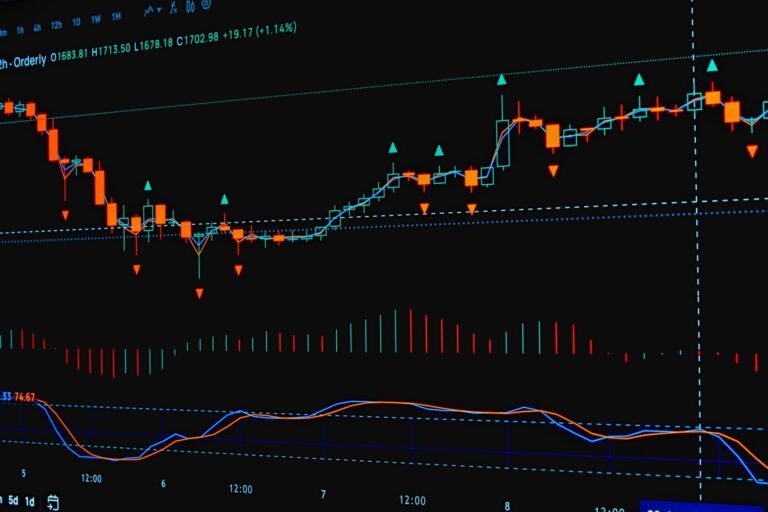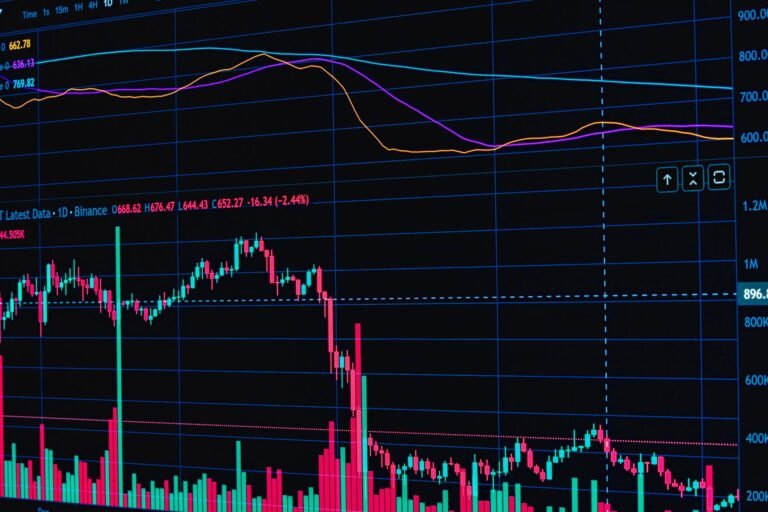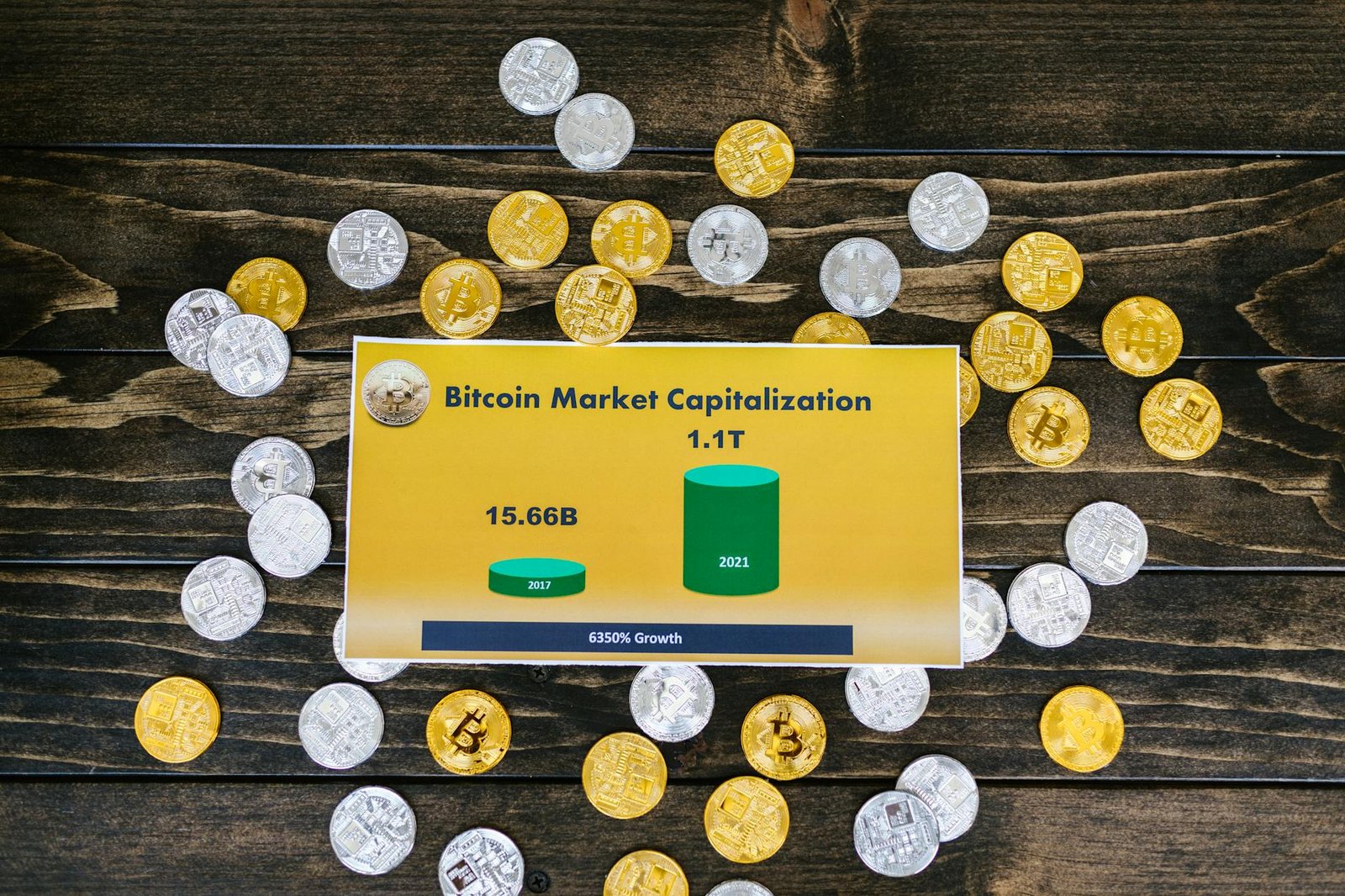
As the US Dollar Index (DXY) nears a three-month high, Bitcoin (BTC) has shown surprising resilience, maintaining its position above $68,000 despite broader market volatility. This decoupling from traditional assets like equities and gold has sparked a debate among traders and analysts about what this means for the future of the world’s leading cryptocurrency.
Bitcoin’s Decoupling: A Sign of Maturity
The recent strength of the US dollar, rising from 96.6 to 99.4 over just three weeks, has typically been a negative indicator for Bitcoin. However, this time, BTC has managed to hold its ground. This resilience is a testament to Bitcoin’s maturing status as an independent asset class, capable of weathering the turbulence of traditional markets.
While the Nasdaq 100 Index fell by 1% and gold prices dropped by 3.6%, Bitcoin remained relatively stable. This decoupling is particularly significant given the historical correlation between Bitcoin and tech stocks. The 30-day rolling correlation between Bitcoin and the Nasdaq 100 has dropped to 69%, down from a peak of 92% just a week ago.
Institutional Demand Remains Strong
Despite the challenging market conditions, institutional demand for Bitcoin remains robust. In the past seven days, Bitcoin ETFs have seen net inflows of $1.5 billion, indicating that institutional investors continue to see value in the cryptocurrency. This influx of capital is a strong signal of confidence in Bitcoin’s long-term potential, even as it faces short-term headwinds.
However, the broader market sentiment remains cautious. The lack of a clear catalyst for Bitcoin’s recent price movements has led to heightened uncertainty and fear among traders. Factors such as the October 2025 flash crash, concerns over quantum computing, and the shift in investor attention toward AI have all contributed to the current bearish mood.
Navigating the Bear Market
The bear market has made the cryptocurrency space more sensitive to negative news. A recent filing by MARA Holdings (MARA US) led to speculation that the company might liquidate its Bitcoin reserves, similar to other listed miners like Cango (CANG US), Bitdeer (BTDR US), and Core Scientific (CORZ US). However, MARA’s Vice President of Investor Relations, Robert Samuels, clarified that the company has no intention of liquidating its reserves, only to buy or sell as needed.
This clarification highlights the importance of accurate information in a market where rumors can quickly lead to impulsive trading decisions. As Bitcoin continues to navigate the bear market, market participants will need to remain vigilant and discerning in their analysis of news and data.
Looking Ahead: The Path to Recovery
While the current market environment is challenging, there are signs of improvement. Bitcoin’s ability to decouple from traditional assets and maintain institutional demand is a positive development. However, a definitive breakout above $75,000 will be necessary to confirm the end of the bear market and restore full confidence among investors.
In the meantime, the relative strength of the US Dollar Index should not be viewed as an automatic sell signal for Bitcoin. The cryptocurrency’s unique characteristics and growing institutional adoption suggest that it can continue to perform well, even in a risk-off environment. As the market continues to evolve, Bitcoin’s resilience will be a key factor in determining its future trajectory.
About the Author