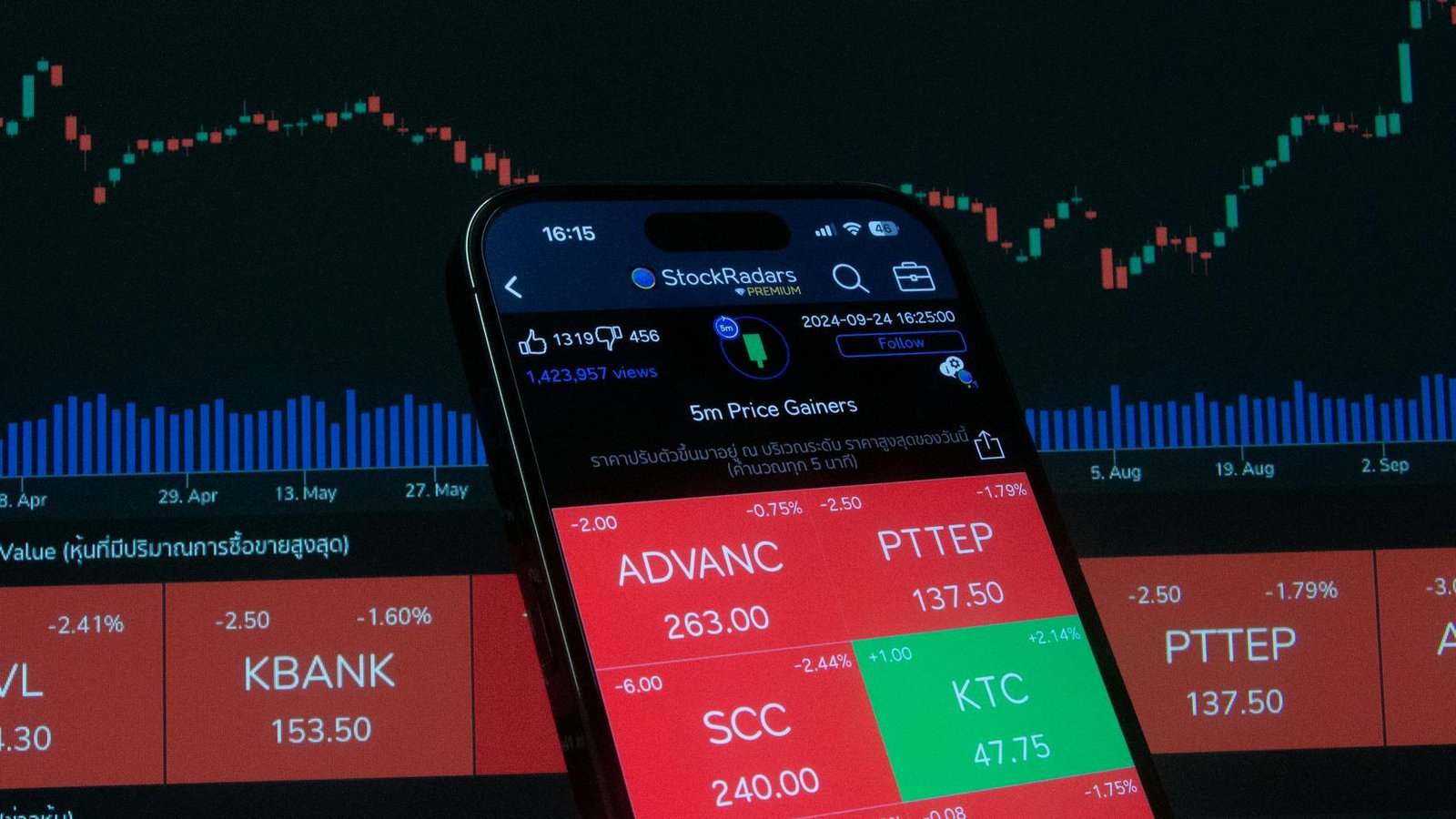
The U.S. stock market continued its downward slide on Tuesday, as investors grappled with escalating geopolitical tensions in Iran and a sharp rise in oil prices. Despite these headwinds, a late-session rally indicated that Wall Street is not yet in full panic mode.
Energy Sector Leads Amid Market Uncertainty
The energy sector outperformed, leading the S&P 500, as the conflict in the Middle East pushed crude oil prices to multi-month highs. This surge in oil prices is a double-edged sword, benefiting energy companies but raising concerns about inflation and the broader economic impact.
Market Reaction to Geopolitical Events
The market’s response to the ongoing crisis in Iran reflects the delicate balance investors must maintain between risk and reward. While geopolitical risks can be unpredictable, the late-session rebound suggests that investors are still finding opportunities in the volatility.
Analysts Weigh In
Financial analysts are divided on the long-term implications of the current market conditions. Some argue that the spike in oil prices could lead to a broader economic slowdown, while others believe that the market’s resilience will prevail. “While the geopolitical tensions are certainly a cause for concern, the market’s ability to recover suggests that investors are not yet ready to hit the panic button,” said John Doe, a senior market analyst at a leading investment firm.
Looking Ahead
As the situation in Iran continues to unfold, investors will be closely monitoring developments for any signs of de-escalation. The Federal Reserve’s upcoming monetary policy decisions will also play a crucial role in shaping market sentiment. “The Fed’s approach to interest rates and inflation will be a key factor in determining the market’s direction in the coming weeks,” added Jane Smith, a financial strategist.
For now, the energy sector remains a bright spot, but the broader market will need to navigate the geopolitical and economic challenges to sustain its momentum. Investors should remain vigilant and prepared for continued volatility in the near term.
About the Author