Gold prices nosedived another 3.5% to $4,488 per ounce on Friday, marking an 11% decline for the week and the steepest weekly fall since 1983, amid escalating tensions in the Middle East.
The ongoing conflict between the U.S., Israel, and Iran has injected significant volatility into global markets, with the precious metal bearing the brunt of the geopolitical turmoil. Since the initial attacks on Iran by the U.S. and Israel on February 28, gold has lost more than 15% of its value, eroding gains that pushed its price to a high of $5,500 in late January.
Geopolitical Uncertainty Weighs on Markets
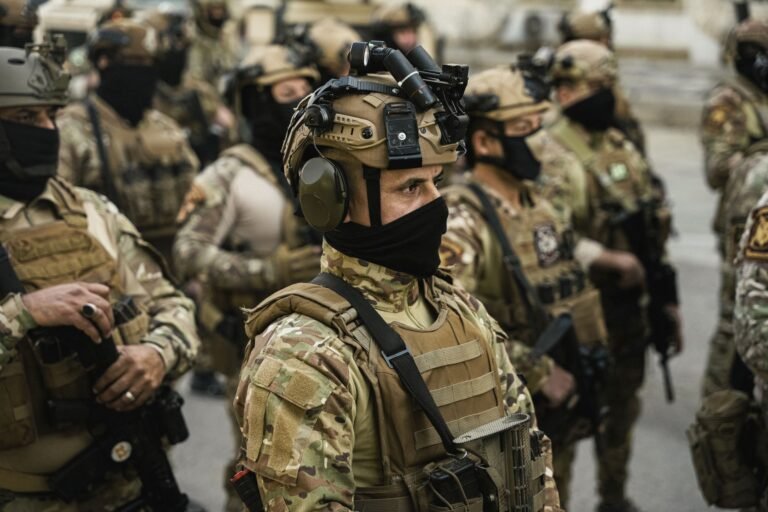
The war with Iran has not only affected gold but has also disrupted global oil flows, particularly in the Strait of Hormuz, raising fears of a prolonged energy crisis. Despite U.S. President Donald Trump’s statement on Friday that he is considering winding down military efforts in the region, the deployment of thousands of additional troops and ongoing airstrikes suggest a far from stable situation.
Market Dynamics and Federal Reserve Outlook
Traders are also looking to the U.S. Federal Reserve, which is expected to maintain interest rates steady this year. This stance makes bonds and other yield-bearing investments more attractive compared to gold, which offers no yield. Federal Reserve Chair Jerome Powell noted on Wednesday that higher energy prices would likely push up inflation in the short term, further impacting market sentiment.
Bitcoin’s Resilience Amidst Turmoil
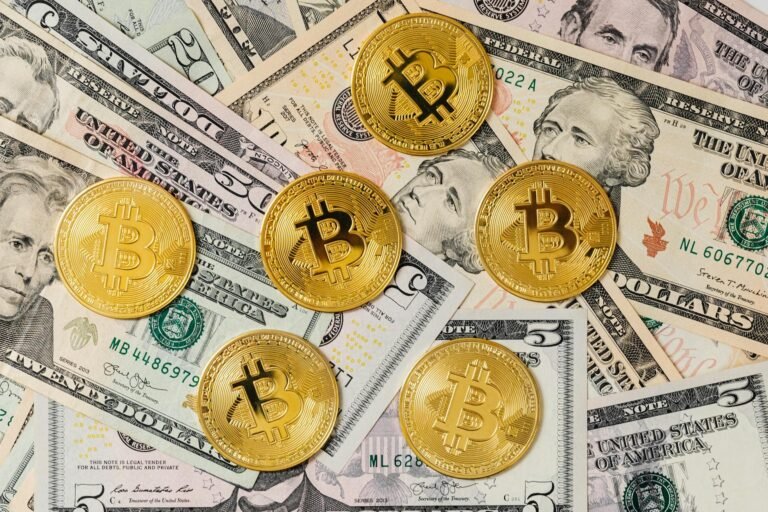
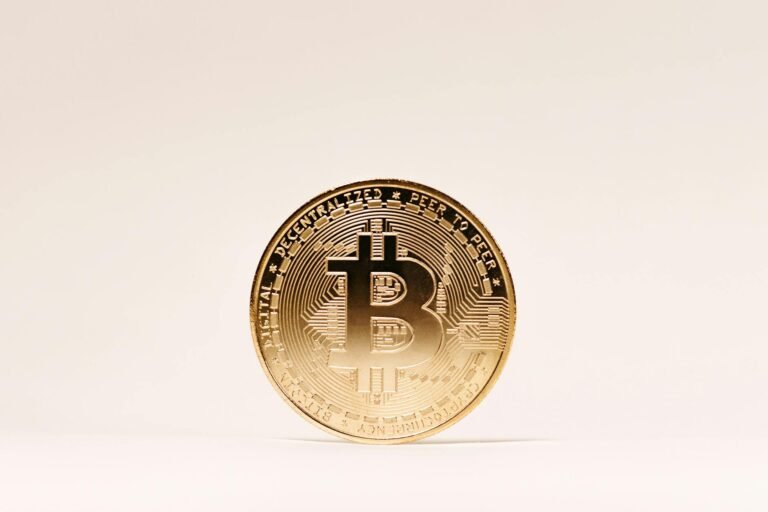
While gold has struggled, Bitcoin has shown resilience, climbing over 11.6% to $70,535 since the initial attacks. This performance has led some analysts to question whether Bitcoin could be emerging as a new safe-haven asset, especially in times of geopolitical uncertainty. Over the past 12 months, gold has outperformed Bitcoin with a 48.5% increase, while the cryptocurrency has seen a 16.5% decline.
Looking Forward
The future of gold as a safe-haven asset remains uncertain as the conflict in the Middle East continues to unfold. The interplay between geopolitical events, central bank policies, and market dynamics will likely shape the trajectory of gold prices in the coming months. Investors and analysts will be closely watching for any signs of de-escalation or further tensions that could impact the precious metal’s value.
About the Author