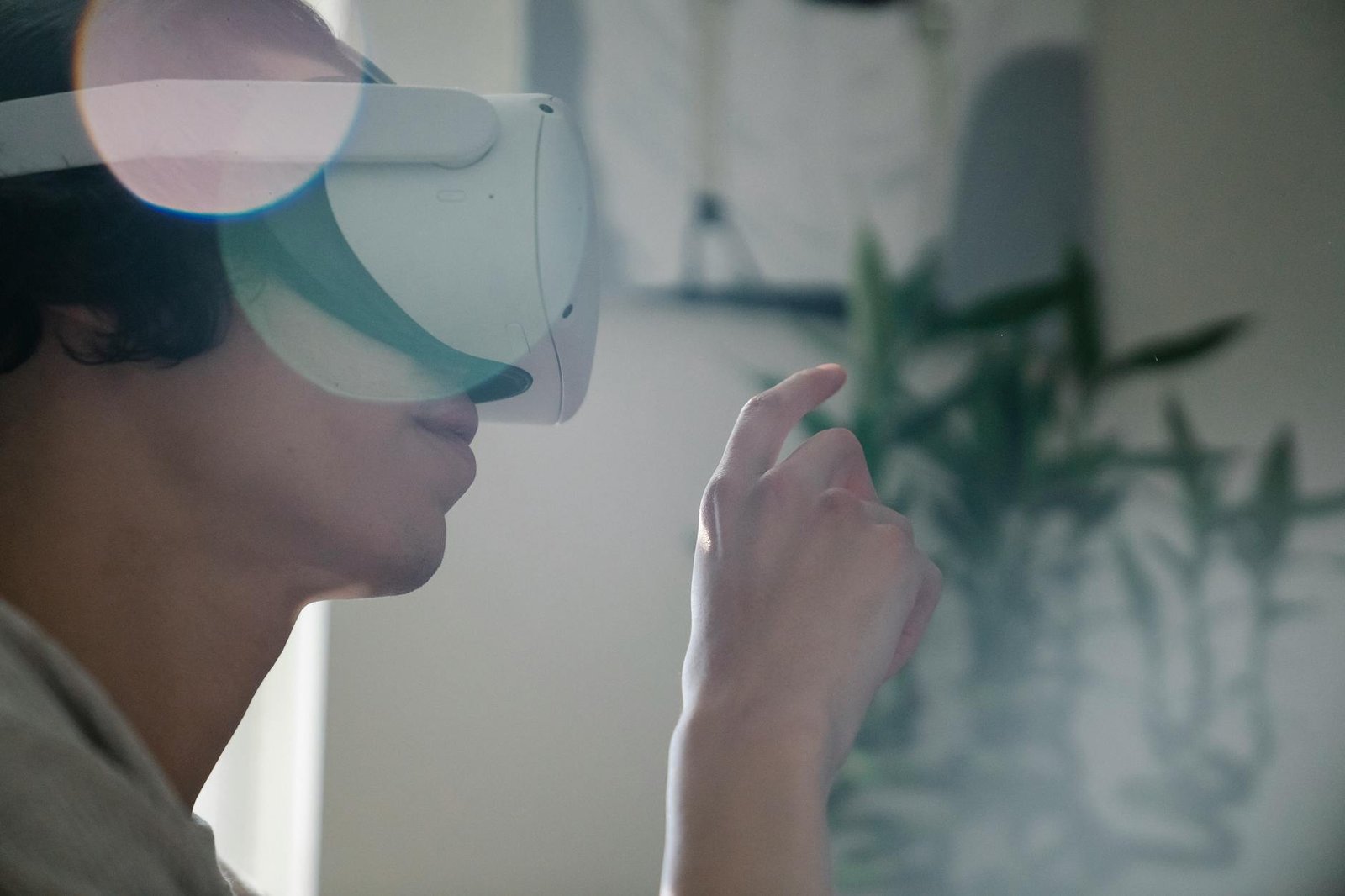
Meta is undergoing a significant pivot in its metaverse strategy, shifting focus from virtual reality (VR) to mobile platforms. The company initially announced it would sunset its Horizon Worlds VR experience but has now reversed course, tailoring the platform for mobile users where it has seen greater traction and engagement.
The VR Shift
When Meta first unveiled Horizon Worlds, it was touted as the future of social interaction and entertainment in the metaverse. The platform was designed to be a digital playground for users wearing VR headsets, offering immersive experiences and a sense of presence that traditional screens couldn’t match. However, despite the initial hype, user engagement and adoption rates fell short of expectations.
Mobile Momentum
Recognizing the limitations of the VR market, Meta has decided to leverage the broader reach and accessibility of mobile devices. The company is now focusing on developing a mobile version of Horizon Worlds, which has already gained a foothold among users. This strategic move aligns with the growing trend of mobile gaming and social media, where users spend a significant amount of time.
Strategic Implications
The shift to mobile is a strategic acknowledgment of the current technological landscape. While VR technology continues to evolve, it remains a niche market with limited penetration. Mobile devices, on the other hand, are ubiquitous and offer a more immediate and accessible entry point for the metaverse. By focusing on mobile, Meta is positioning itself to capture a larger audience and drive user engagement.
Challenges and Opportunities
Despite the promising mobile trajectory, Meta faces several challenges. The mobile version of Horizon Worlds must maintain the immersive and interactive qualities that made the VR version appealing. Additionally, the company will need to address concerns around data privacy and user safety, which have been significant issues in the mobile space.
On the flip side, the mobile pivot presents numerous opportunities. Mobile devices offer a more diverse and global user base, potentially expanding Meta’s reach into emerging markets. Moreover, the mobile version can serve as a testing ground for new features and innovations that could eventually be integrated back into the VR experience.
Looking Ahead
Meta’s decision to prioritize mobile for its metaverse initiatives is a pragmatic and forward-looking move. As the company continues to refine and expand its mobile offerings, it is well-positioned to capitalize on the growing demand for immersive and interactive digital experiences. The future of the metaverse may well be shaped by the mobile devices we carry in our pockets, rather than the VR headsets we occasionally wear.
About the Author