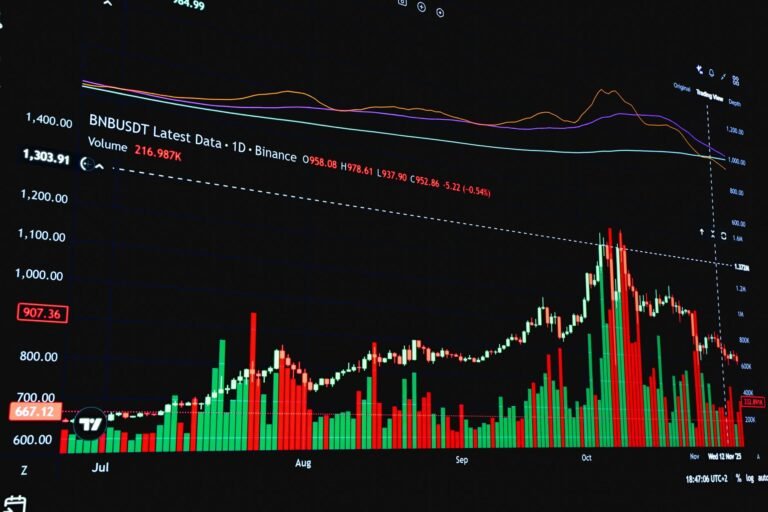
In the rapidly evolving world of cryptocurrency, one crucial aspect is often overlooked: the true cost of executing trades. While the crypto market may appear liquid and competitive, the reality is that hidden fees and execution costs can significantly impact an investor’s bottom line.
For instance, an investor aiming to buy 1 Bitcoin (BTC) at $90,000 might end up paying $90,900 due to market volatility and slippage. This 1% discrepancy, though seemingly small, can add up over time and erode profits. In traditional equity markets, transaction cost analysis (TCA) is a well-established tool that helps traders minimize these hidden costs and optimize their trades. However, the crypto industry has lagged in adopting similar practices.
The Urgency of Transparency
The lack of transparency in crypto transaction costs is a growing concern. Unlike traditional financial markets, where data is centralized and standardized, the decentralized nature of crypto means that trading activity is spread across multiple exchanges, making it difficult to aggregate and analyze data. This fragmentation not only complicates the calculation of execution costs but also hinders the ability to compare performance across different platforms.
Moreover, some costs are quietly embedded within trade prices, making it challenging for investors to understand the full cost of their transactions. This opacity can erode trust in the market and deter institutional investors who require clear and transparent cost structures.
Regulatory Momentum
Regulators are beginning to recognize the need for greater transparency in crypto execution. In 2025, the European Securities and Markets Authority (ESMA) updated its standards to include best execution practices for digital assets, a move that could pave the way for more rigorous transaction cost analysis in the crypto space.
While regulation alone cannot solve the problem, it can drive the industry toward adopting TCA tools. If market participants can see the real costs of trading and compare them across exchanges, the market will become more efficient and competitive. This, in turn, could attract more institutional investors and further legitimize the crypto market.
The Role of Technology
Advancements in cloud computing and big data analysis are making it easier and more cost-effective to collect and process large volumes of trading data. Machine learning algorithms can now conduct transaction cost analysis across multiple venues, identifying patterns and insights that were previously inaccessible.
These tools can help traders break down the true cost of execution, including bid-ask spreads, market impact, and order routing fees. With this information, traders can make more informed decisions, reduce costs, and increase liquidity. Over time, trading volumes are likely to gravitate toward platforms that offer better execution conditions, fostering a healthier and more competitive market.
Looking Forward
The adoption of transaction cost analysis in the crypto market is not just a matter of improving efficiency; it’s a critical step toward building a more transparent and trustworthy ecosystem. As the industry continues to mature, the integration of TCA will be essential for maintaining investor confidence and attracting broader participation.
By embracing TCA, the crypto industry can bridge the gap between itself and traditional financial markets, ensuring that all participants have a clear understanding of the costs associated with their trades. This transparency will be key to the long-term success and sustainability of the crypto market.
About the Author