Why bitcoin’s ‘compressed’ valuation offers reduced downside risk versus stocks
The recent surge in oil and gas prices has driven up inflation expectations, causing markets to adjust their bets on Federal Reserve rate cuts, with traders now pricing in a near 40% chance of no rate cuts this year.
What to know:
- Asset manager Bitwise suggests bitcoin may already have priced in the effects of tighter monetary policy, leaving stocks more exposed to macroeconomic shocks.
- The recent surge in oil and gas prices has driven up inflation expectations, prompting markets to adjust their bets on Federal Reserve rate cuts, with traders now pricing in a near-40% chance of no rate cuts this year.
- Bitwise argues that bitcoin has already adjusted to tighter financial conditions, while equities have only recently begun to fall, making stocks more vulnerable to negative macro catalysts.
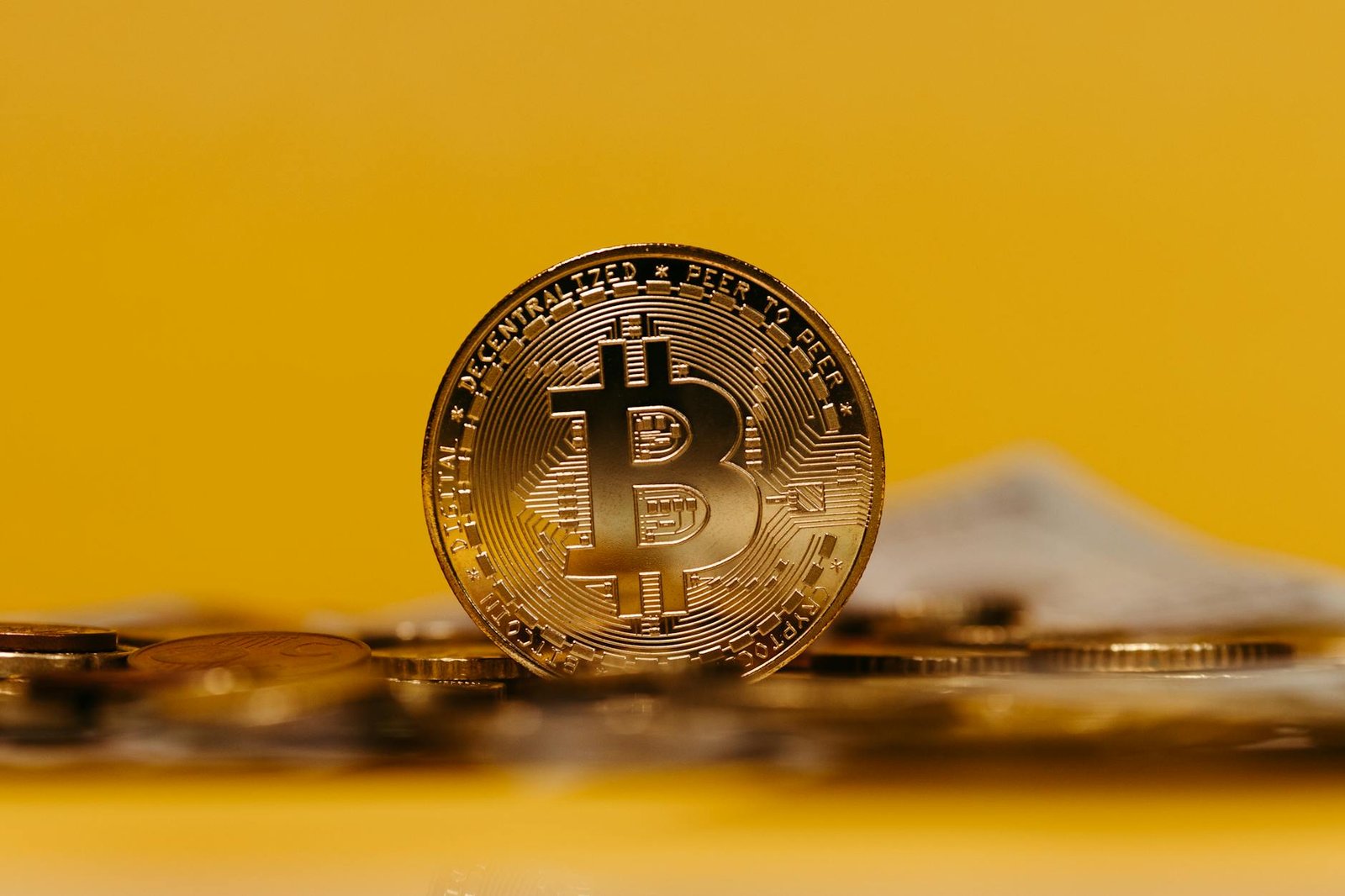
Bitcoin may have already priced in the effects of tighter monetary policy, leaving stocks more exposed to the latest macroeconomic shocks, according to asset manager Bitwise.
The firm’s comments come as the cryptocurrency continues to correct below $70,000, down more than 23.7% year-to-date.
Geopolitical unrest and energy disruptions, particularly from the U.S.-Iran conflict choking the Strait of Hormuz, have driven oil and gas prices higher in recent weeks. That surge has put pressure on inflation expectations, causing markets to walk back earlier bets on Federal Reserve rate cuts.
On prediction markets including Polymarket and Kalshi, the perceived odds of the Fed cutting interest rates this year went from near-certainty to doubtful. Traders are now pricing in a near 40% chance that rates aren’t cut at all, up from less than 3%.
“Energy prices remain closely linked to inflation expectations,” said Luke Deans, senior research associate at Bitwise. “The recent surge has led to a meaningful shift in monetary policy pricing, with previously anticipated Federal Reserve rate cuts for the year largely reversing toward expectations of renewed tightening.”